6-Week Career Accelerator Program
6-Week Career Accelerator Program
Bioinformatics
Bioinformatics
Data
Data
Analytics
Analytics
Program
Programme
6Weeks
40hours
1Project
6Weeks
6Weeks
6Weeks
40hours
1Project
6Weeks
6Weeks
6Weeks
40hours
1Project
6Weeks
6Weeks
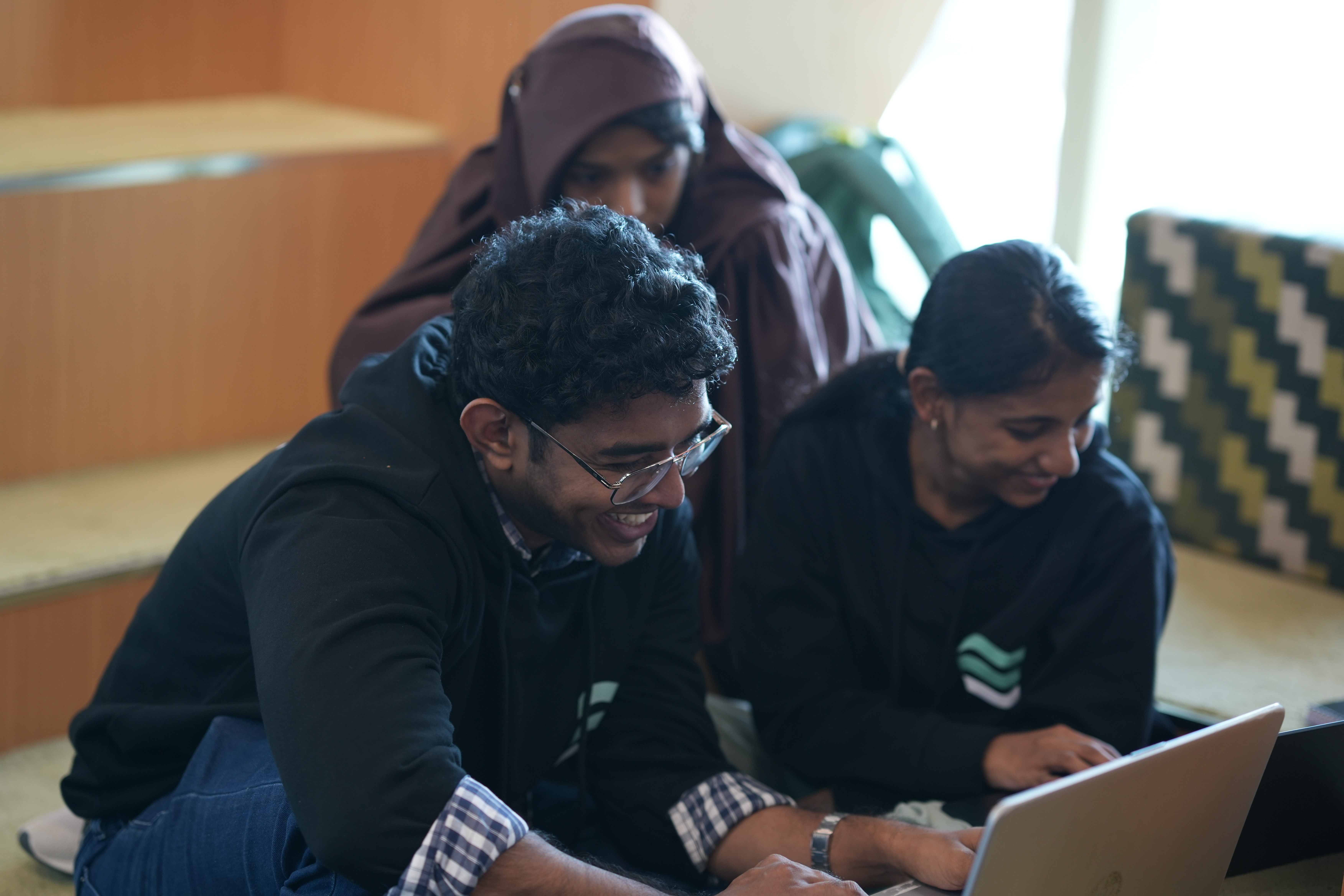
A 6-week, hands-on program designed for life science graduates and professionals who want to work with real biological data, apply statistics and produce reproducible analysis reports that industries actually requires.

About Program
Why Bioinformatics Data Analyst Programme?
Most bioinformatics learners know tools, but struggle to translate into statistically sound, reproducible analysis.
This 6 weeks foundation program is exclusively designed to help students / W.P understand industry applications of bioinformatics.
Industry-Aligned Career Roles
Built for real bioinformatics careers
Mapped to roles in R&D, Pharma, CROs, and omics startups.
Complete Analyst Workflow
Learn the complete analysis pipeline
From raw count matrices → QC → statistical modeling → reporting.
Mentorship + Practical Guidance
Industry expects reproducibility
Graduate with GitHub-ready notebooks and portfolio-grade deliverables.
Portfolio-Grade Capstone Project
One project that proves your skill
A full Differential Gene Expression study, publication-style output.
Eligibility
Who This Program Is For
This program is designed for:

Life science graduates exploring bioinformatics or data roles

MSc and PhD students working with transcriptomics or omics data
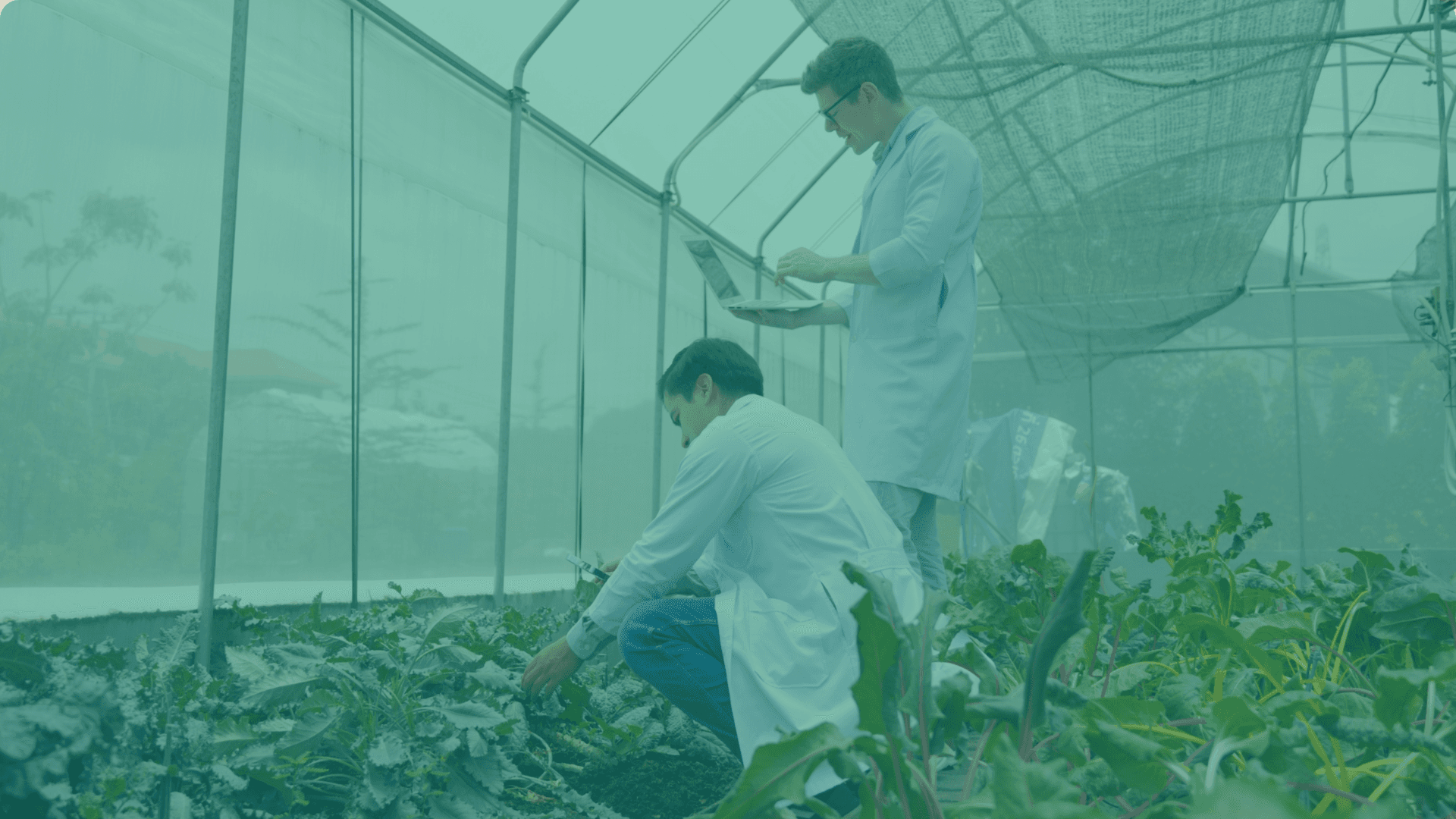
Professionals in R&D, pharma, or CROs who want stronger data analysis skills
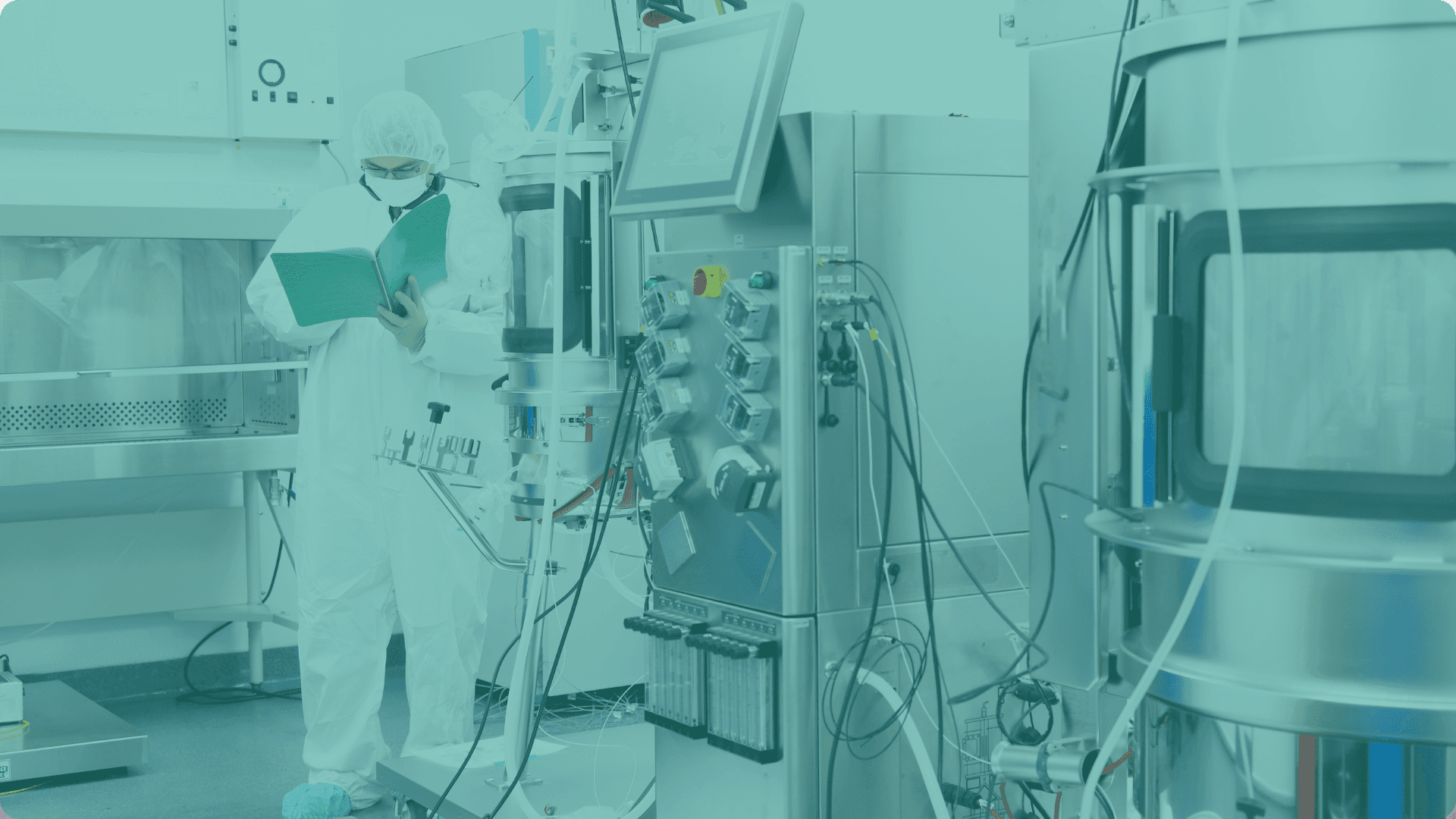
Anyone who wants clarity before committing to a long postgraduate program
Life science graduates exploring bioinformatics or data roles
MSc and PhD students working with transcriptomics or omics data
Professionals in R&D, pharma, or CROs who want stronger data analysis skills
Anyone who wants clarity before committing to a long postgraduate program
Life science graduates exploring bioinformatics or data roles
MSc and PhD students working with transcriptomics or omics data
Professionals in R&D, pharma, or CROs who want stronger data analysis skills
Anyone who wants clarity before committing to a long postgraduate program
Life science graduates exploring bioinformatics or data roles
MSc and PhD students working with transcriptomics or omics data
Professionals in R&D, pharma, or CROs who want stronger data analysis skills
Anyone who wants clarity before committing to a long postgraduate program
Outcomes
Career Outcomes and Roles
This program aligns you toward roles such as:
Bioinformatics Data Analyst

Biostatistics Specialist
R&D Analytics Associate
Pharma Data Analysis Support Roles
Bioinformatics Data Analyst
Biostatistics Specialist
R&D Analytics Associate
Pharma Data Analysis Support Roles
Bioinformatics Data Analyst
Biostatistics Specialist
R&D Analytics Associate
Pharma Data Analysis Support Roles
Bioinformatics Data Analyst
Biostatistics Specialist
R&D Analytics Associate
Pharma Data Analysis Support Roles
Syllabus
What you'll learn
You will learn how real bioinformatics analysts work inside R&D and pharma teams also trained to :
01
Week 01
Foundations & Project Scoping
Live: Bootcamp mindset, expectations, and technical communication basics. Overview of variant-specific workflows (DGE vs DNA-Seq pipeline vs multiomics ML). Async: Core programming (Python/R foundations; variant-specific emphasis). Environment setup, Linux basics and remote/VM setup Introduction to Jupyter/RStudio and Git Capstone: Define project question and scope. Identify dataset(s) to be used. Set up Git repo and initial project structure.
02
WEEK 02
Data Acquisition & Quality Control
Live: Case study: messy real-world data (missing samples, poor QC) and decisions to include/exclude. Async: Data structures and key file formats (FASTQ, BAM, VCF for NGS; tables/matrices for DGE/multiomics). Data retrieval (public repositories, internal file structures) and cleaning. Capstone: Acquire and load project data. Perform basic QC and initial structuring (e.g., sample-level QC, summary stats).
03
WEEK 03
Core Analysis (Alignment / Statistics / Network Building)
Live: Code-along session (e.g., running alignment and interpreting mapping stats, or running DGE stats and checking assumptions). Async: Core algorithms (statistical testing or alignment or graph construction, depending on variant). Principles of reproducible analysis (scripts vs manual steps, logging). Capstone: Execute the main analysis step, B-DAP: Run DGE and generate a primary results table. A-GCPS: Complete alignment and first round of variant calling. M-AIMS: Build an initial network or first clustering/model draft.
04
WEEK 04
Intermediate Analysis & Visualization
Live: Mentoring session focused on presenting intermediate results and receiving feedback. Async: Advanced visualization (ggplot2/plotly or equivalent for clear, publication-style plots). Intro to ML principles in all variants (more depth for M-AIMS). Capstone: Refine results, create clear figures (volcano plots, coverage plots, ROC curves, networks). Draft initial narrative (results section style).
05
WEEK 05
High-Value Integration: AI / Cloud / Annotation
Live: Case discussion: how cloud, AI, or annotation changes real R&D workflows. Async: Variant-specific deepening, B-DAP: Functional enrichment interpretation and storytelling. A-GCPS: Cloud concepts and an introduction to workflow managers. M-AIMS: Feature engineering and model improvement techniques. Capstone: Integrate advanced elements (annotation, ML, workflow automation). Move toward a near-final version of scripts/pipelines/models.
06
WEEK 06
Capstone Finalization & Career Pathways
Live (1 hour): Career pathways overview, resume and LinkedIn positioning, interview questions aligned with each variant. Discussion of “tool agnosticism” and how to adapt when tools change. Presentation (2 hours): Each learner delivers a structured project presentation, Problem, data, workflow, results, biological/clinical implications, limitations. Q&A simulating technical and HR interview questions. Capstone: Final polishing of repo/notebook/pipeline. Optional: convert to a portfolio case study document.
WEEK 01
Foundations & Project Scoping
Live: Bootcamp mindset, expectations, and technical communication basics. Overview of variant-specific workflows (DGE vs DNA-Seq pipeline vs multiomics ML). Async: Core programming (Python/R foundations; variant-specific emphasis). Environment setup, Linux basics and remote/VM setup. Introduction to Jupyter/RStudio and Git Capstone: Define project question and scope. Identify dataset(s) to be used. Set up Git repo and initial project structure.
WEEK 02
Data Acquisition & Quality Control
Live: Case study: messy real-world data (missing samples, poor QC) and decisions to include/exclude. Async: Data structures and key file formats (FASTQ, BAM, VCF for NGS; tables/matrices for DGE/multiomics). Data retrieval (public repositories, internal file structures) and cleaning. Capstone: Acquire and load project data. Perform basic QC and initial structuring (e.g., sample-level QC, summary stats).
WEEK 03
Core Analysis (Alignment / Statistics / Network Building)
Live: Code-along session (e.g., running alignment and interpreting mapping stats, or running DGE stats and checking assumptions). Async: Core algorithms (statistical testing or alignment or graph construction, depending on variant). Principles of reproducible analysis (scripts vs manual steps, logging). Capstone: Execute the main analysis step, B-DAP: Run DGE and generate a primary results table. A-GCPS: Complete alignment and first round of variant calling. M-AIMS: Build an initial network or first clustering/model draft.
WEEK 04
Intermediate Analysis & Visualization
Live: Mentoring session focused on presenting intermediate results and receiving feedback. Async: Advanced visualization (ggplot2/plotly or equivalent for clear, publication-style plots). Intro to ML principles in all variants (more depth for M-AIMS). Capstone: Refine results, create clear figures (volcano plots, coverage plots, ROC curves, networks). Draft initial narrative (results section style).
WEEK 05
High-Value Integration: AI / Cloud / Annotation
Live: Case discussion: how cloud, AI, or annotation changes real R&D workflows. Async: Variant-specific deepening, B-DAP: Functional enrichment interpretation and storytelling. A-GCPS: Cloud concepts and an introduction to workflow managers. M-AIMS: Feature engineering and model improvement techniques. Capstone: Integrate advanced elements (annotation, ML, workflow automation). Move toward a near-final version of scripts/pipelines/models.
WEEK 06
Capstone Finalization & Career Pathways
Live (1 hour): Career pathways overview, resume and LinkedIn positioning, interview questions aligned with each variant. Discussion of “tool agnosticism” and how to adapt when tools change. Presentation (2 hours): Each learner delivers a structured project presentation, Problem, data, workflow, results, biological/clinical implications, limitations. Q&A simulating technical and HR interview questions. Capstone: Final polishing of repo/notebook/pipeline. Optional: convert to a portfolio case study document.
Syllabus
What you'll learn
You will learn how real bioinformatics analysts work inside R&D and pharma teams also trained to :
Program Fee
Enroll Once. Become Job-Ready in 6 Weeks.
Enroll Once. Become Job-Ready in
6 Weeks.
Exclusive Cohort
Early Bird
Designed for learners building industry-ready bioinformatics skills.
₹12,000
Inclusive of GST
Total duration: 6 weeks
Total learning hours: 39 hours
Live sessions: 7
Asynchronous learning: 20
Capstone work: 1
Final presentation: 2
What Makes This Program Different
A structured roadmap to start a career in Bioinformatics
A structured roadmap to start a career in Bioinformatics
A practical computational biology toolkit (R / Python + workflows)
A practical computational biology toolkit (R / Python + workflows)
Experience with industry-standard omics data analysis pipelines
Learn what's used latest tools to build computational models & execute functions.
Clear understanding of job roles, skills, and hiring expectations
Why are Bioinformaticians in demand,
salary-ranges & career paths
A complete capstone project with a GitHub-ready portfolio
A complete capstone project with a GitHub-ready portfolio
Confidence to communicate results in a research or pharma setting
Bioinformatician's Most Powerful Weapon - An insider look into the Industry














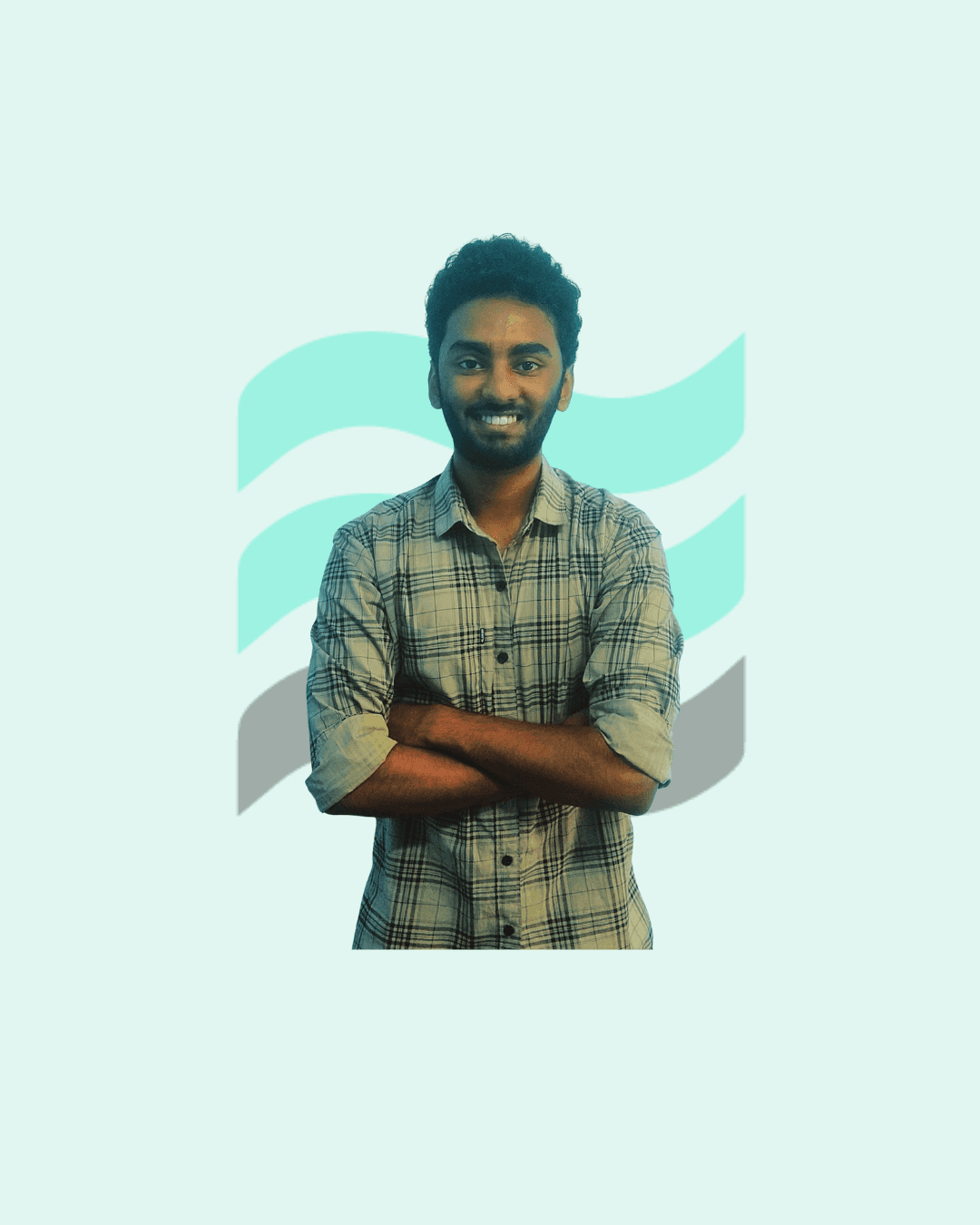


Meet our learners trained on real-world AI & healthcare workflows, equipped with industry-grade skills and practical experience to deliver impact from day one.
Industry-Ready Talent
Our Alumni
Meet our learners trained on real-world AI & healthcare workflows, equipped with industry-grade skills and practical experience to deliver impact from day one.
Industry-Ready Talent
Our Alumni
Frequently asked questions
1. What is the duration of the PGP in Clinical Program & Strategic Management?
The program runs for 6 months in a structured executive format, designed for working professionals. Sessions are delivered in a flexible format to balance learning with ongoing professional commitments.
2. What is the structure of the program?
3. How is this program different from a traditional degree or certification?
4. Who is this program meant for?
5. What kind of career outcomes can participants expect?
6. What topics and tools are covered in the program?
Frequently asked questions
1. What is the duration of the PGP in Clinical Program & Strategic Management?
The program runs for 6 months in a structured executive format, designed for working professionals. Sessions are delivered in a flexible format to balance learning with ongoing professional commitments.
3. How is this program different from a traditional degree or certification?
2. What is the structure of the program?
4. Who is this program meant for?
5. What kind of career outcomes can participants expect?
6. What topics and tools are covered in the program?
Frequently asked questions
1. What is the duration of the PGP in Clinical Program & Strategic Management?
The program runs for 6 months in a structured executive format, designed for working professionals. Sessions are delivered in a flexible format to balance learning with ongoing professional commitments.
3. How is this program different from a traditional degree or certification?
2. What is the structure of the program?
4. Who is this program meant for?
5. What kind of career outcomes can participants expect?
6. What topics and tools are covered in the program?
PARTNER OF
APPLICATIONS
FOLLOW US ON




From the helpdesk
A Comprehensive Guide to
Programs at Bversity
Copyright © 2024 Bversity school of Biotechnology. All rights reserved.
Virtual college for Biotechnology



FOLLOW US ON




School for Biotechnology
Copyright © 2024 Bversity school of Biotechnology. All rights reserved.

PARTNER OF
APPLICATIONS
FOLLOW US ON
Copyright © 2024 Bversity school of Biotechnology. All rights reserved.
Virtual college for Biotechnology