Mar 5, 2026
|
5
min read

Introduction
Higher education is often seen as a direct pathway to employment. Students choose degrees believing that the roles associated with those degrees will remain stable over time. But industries evolve faster than academic systems. Technology reshapes processes, automation reduces manual tasks, and new specializations replace older job functions.
This raises an important question: are students preparing for roles that are shrinking while ignoring the ones that are expanding?
Understanding how job markets shift is essential for making smarter academic and career decisions.
How Job Roles Evolve Over Time
No industry remains static. In life sciences and biotechnology, the nature of work has changed significantly over the past decade.
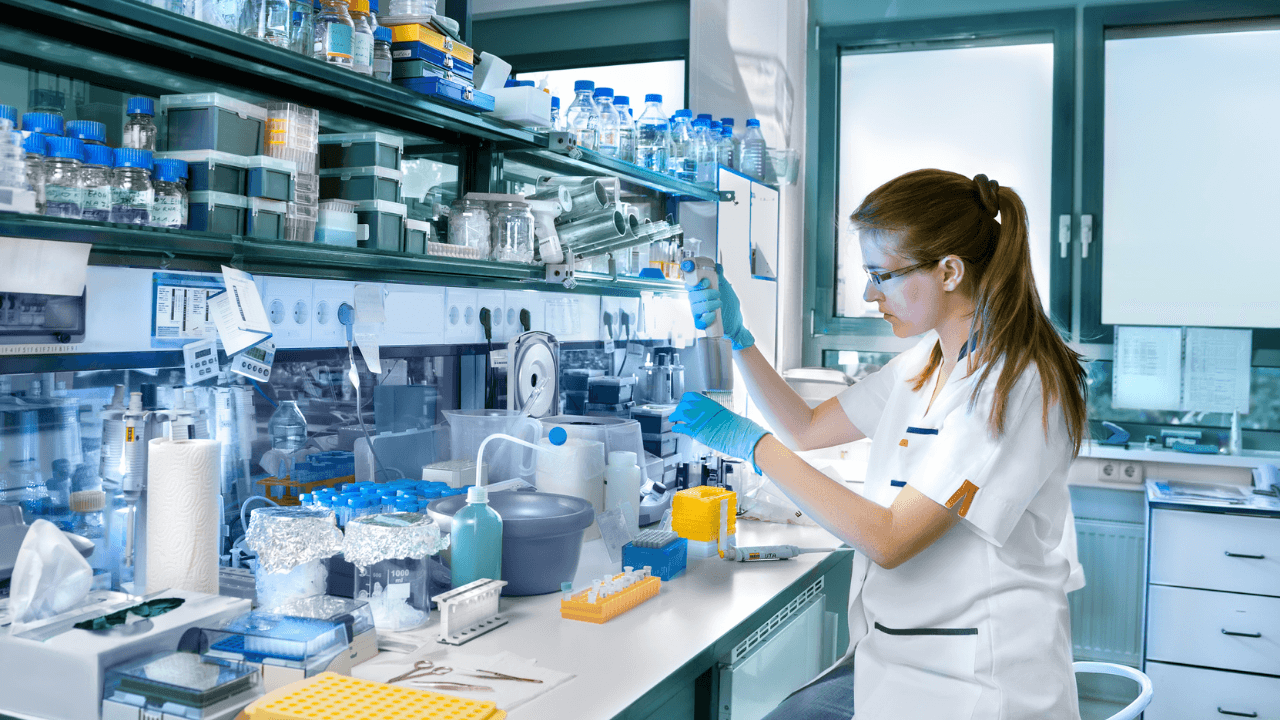
Earlier, many entry-level roles focused heavily on repetitive laboratory procedures, manual documentation, and routine testing. Today, automation handles a large portion of repetitive lab processes. Digital systems manage documentation. Software platforms assist in quality monitoring and regulatory tracking.
This does not mean jobs have disappeared. It means the type of work within those jobs has changed.
Roles that once required only operational skills now require technical awareness, digital familiarity, and problem-solving ability.
Students who prepare only for the older version of a job may struggle in interviews for its updated version.
The Gap Between Academic Learning and Industry Reality
Academic curricula are designed to build foundational knowledge. Concepts in molecular biology, microbiology, biochemistry, and genetics remain essential.
However, many industries now expect additional competencies such as:
Working with automated instruments
Understanding compliance software
Managing digital laboratory records
Interpreting large datasets
Applying computational tools
If students focus only on theory without understanding how these concepts are applied in modern workplaces, they risk being underprepared.
The issue is not that degrees are useless. The issue is that degrees alone are no longer sufficient.
Emerging Roles Students Often Overlook
While some traditional roles shrink or become more technical, new opportunities continue to emerge.
In biotechnology and life sciences, expanding areas include:
Bioinformatics and Data Analysis
With the growth of genomics and high-throughput technologies, companies need professionals who can interpret biological data. Programming, statistical reasoning, and database management are increasingly valuable.
Regulatory and Compliance Specialization
As global standards become stricter, expertise in documentation systems, validation protocols, and regulatory submissions is in demand.
Clinical Data and Pharmacovigilance
Clinical trials generate complex datasets that must be monitored, analyzed, and reported accurately. This has created steady demand for trained professionals in clinical operations.
Bioprocess Optimization
Modern manufacturing requires process efficiency, quality assurance, and risk assessment skills beyond routine lab tasks.
Students who recognize these shifts early can align their preparation accordingly.
Why Students Sometimes Prepare for Declining Roles
Several patterns contribute to misalignment:
Following outdated career advice
Choosing degrees based on popularity rather than market demand
Lack of exposure to current industry trends
Assuming that previous hiring patterns will continue unchanged
Career decisions made without researching current job trends can create long-term frustration.
It is important to differentiate between foundational knowledge and outdated role expectations.
How to Ensure You Are Preparing for Relevant Careers
Instead of asking whether your degree has value, ask whether your skill set matches current demand.
Here are practical steps:
1. Research Current Job Descriptions
Look at real job postings in your chosen field. Identify recurring technical requirements. This gives clarity about what companies expect today.
2. Build Complementary Skills
If your core degree is in life sciences, consider adding:
Basic programming skills
Data analysis exposure
Regulatory documentation understanding
Industrial workflow awareness
Small additions can significantly improve relevance.
3. Gain Practical Exposure
Internships, industrial training, or project-based learning provide insight into real working environments. Practical exposure reduces the risk of preparing for outdated expectations.
4. Stay Updated
Follow industry news, regulatory updates, and technological developments. Awareness helps you adjust early rather than react late.
Preparing for the future requires proactive learning, not passive degree completion.
The Role of Adaptability in Career Stability
The most secure professionals are not those who studied the “perfect” degree. They are those who adapt continuously.
Industries will continue to change. Artificial intelligence, automation, and digital platforms will reshape many functions in biotechnology and healthcare. Students who build adaptable skills analytical thinking, technical competence, and regulatory awareness remain valuable even when specific roles evolve.
Long-term employability depends more on adaptability than on static qualifications.
Conclusion
It is possible that some students are preparing for outdated versions of jobs. However, this does not mean that education has lost value. It means that preparation must evolve alongside industry transformation.
Biotechnology and life sciences continue to offer opportunities, but the nature of those opportunities has shifted toward technology integration, data interpretation, and regulatory sophistication.
The key is not to abandon your field, but to update your preparation strategy. When academic foundations are combined with current, industry-relevant skills, students position themselves for careers that exist not only today, but also tomorrow.