Jun 15, 2026
|
5
min read
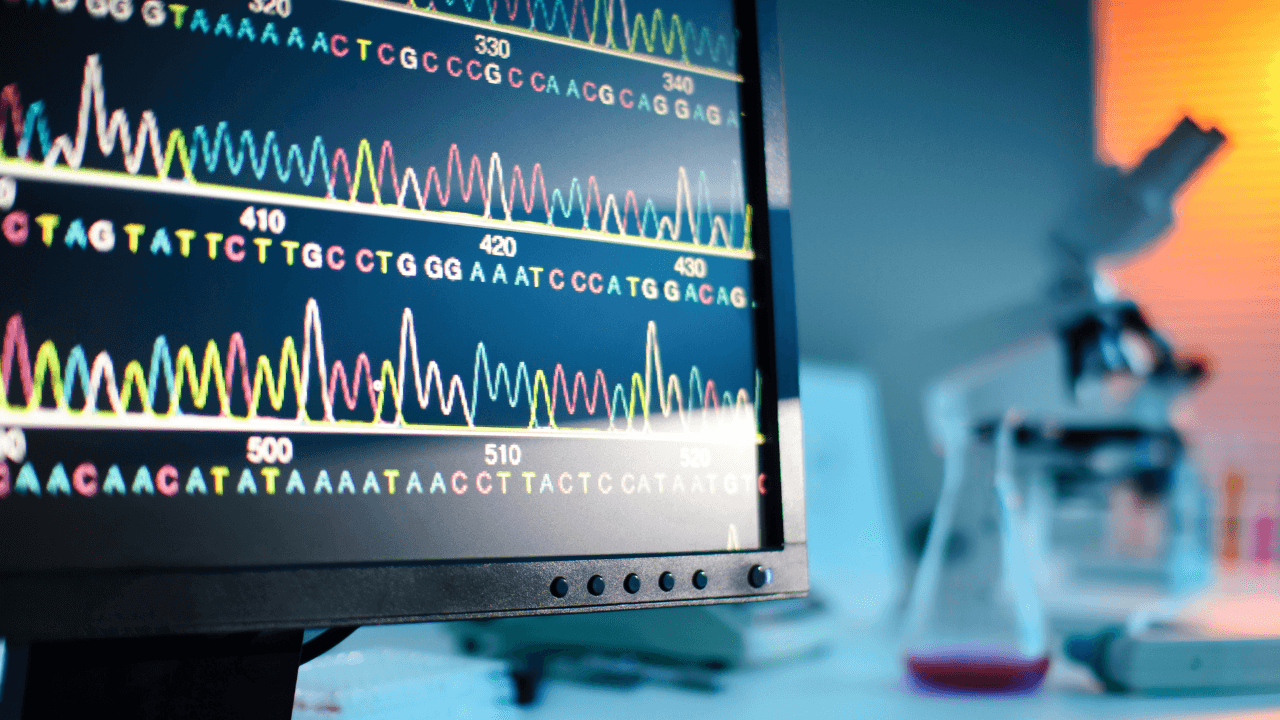
Bioinformatics has evolved from a niche scientific discipline into one of the most exciting career paths in the life sciences industry. As genomics, artificial intelligence, precision medicine, biotechnology, and healthcare analytics continue expanding, organizations are generating more biological data than ever before. The challenge is no longer collecting data. The challenge is making sense of it.
This is where bioinformatics professionals play a critical role.
In 2026, bioinformatics careers are no longer limited to research laboratories or academic institutions. Opportunities now exist across pharmaceutical companies, biotechnology firms, healthcare organizations, diagnostics companies, Global Capability Centers (GCCs), genomics startups, and AI-driven healthcare platforms.
For students and professionals considering a career in bioinformatics, understanding the available roles, required skills, salary expectations, and future growth opportunities can help make more informed career decisions.
Why Bioinformatics Careers Are Growing Rapidly
The life sciences industry is becoming increasingly data-driven. Every genome sequencing project, clinical trial, biomarker study, and drug discovery initiative generates enormous datasets that require sophisticated analysis.
Several trends are fueling demand for bioinformatics professionals:
Growth of genomics and sequencing technologies
Expansion of precision medicine
Increased use of AI in healthcare
Rising demand for personalized treatments
Growth of healthcare GCCs
Advances in computational biology
Expansion of biotechnology research
As these trends continue accelerating, organizations need professionals who understand both biology and data.
This unique combination of skills is what makes bioinformatics one of the fastest-growing areas within the life sciences ecosystem.
Exploring the Most Popular Bioinformatics Jobs in 2026
Many students assume there is only one type of bioinformatics role. In reality, the field offers diverse career pathways depending on individual interests and skill sets.
Bioinformatics Analyst
One of the most common entry points into the field.
Responsibilities often include:
Analyzing biological datasets
Processing genomic data
Generating research insights
Supporting scientific teams
This role is frequently found in biotechnology companies, healthcare organizations, and genomics research environments.
Computational Biologist
Computational biologists focus on applying computational methods to biological problems.
Typical responsibilities include:
Modeling biological systems
Developing analytical pipelines
Performing large-scale data analysis
Supporting research and drug discovery projects
Genomics Data Analyst
As genome sequencing becomes increasingly common, demand for genomics specialists continues rising.
These professionals work with:
DNA sequencing datasets
Variant analysis
Genetic interpretation
Precision medicine initiatives
Clinical Bioinformatics Associate
Healthcare organizations are increasingly integrating bioinformatics into clinical settings.
Professionals in this role help support:
Diagnostic workflows
Genomic testing
Patient-specific analysis
Clinical decision support systems
Bioinformatics Scientist
This role often involves more advanced research responsibilities and may require additional expertise or higher academic qualifications.
Bioinformatics scientists contribute to:
Drug discovery
Biomarker identification
Research innovation
Advanced computational analysis
The growing variety of bioinformatics jobs means students can align their career path with their interests, whether they prefer research, healthcare, analytics, or biotechnology.
Skills Required for a Successful Career in Bioinformatics
Many students focus exclusively on software tools. While tools are important, employers generally look for a broader combination of capabilities.
Successful bioinformatics professionals often develop expertise in:
Biological Sciences
A strong understanding of:
Molecular biology
Genetics
Genomics
Cell biology
Biotechnology fundamentals
remains essential.
Data Analysis
The ability to interpret and extract insights from complex biological datasets has become increasingly valuable.
Programming Fundamentals
Knowledge of languages such as:
Python
R
can significantly improve career opportunities and analytical capabilities.
Bioinformatics Tools
Familiarity with commonly used platforms such as:
BLAST
Galaxy
GATK
Cytoscape
Bioconductor
helps professionals navigate real-world workflows.
Scientific Communication
Being able to explain technical findings clearly to researchers, clinicians, and business stakeholders is an often-overlooked but highly valuable skill.
The strongest candidates are usually those who combine biological understanding, analytical thinking, and communication skills.
Understanding Bioinformatics Salary Trends
One of the most common questions students ask is about bioinformatics salary expectations.
While salaries vary depending on geography, organization, skill level, and specialization, the overall trend remains positive due to increasing demand.
Factors influencing bioinformatics salary include:
Educational background
Technical skillset
Programming expertise
Project experience
Industry domain
Geographic location
Type of employer
For example, professionals working in genomics, computational biology, healthcare analytics, or pharmaceutical research often have different compensation trajectories.
Additionally, organizations within healthcare GCCs and life sciences GCCs are creating new opportunities that continue driving demand for bioinformatics talent.
Rather than focusing only on starting salaries, students should evaluate long-term career growth potential, as bioinformatics offers multiple pathways for progression into specialized and leadership roles.
The Future Growth of a Career in Bioinformatics
One of the strongest reasons to consider a career in bioinformatics is the field's long-term relevance.
Several emerging areas are expected to create sustained demand:
Precision Medicine
Healthcare is moving toward personalized treatment approaches based on genetic information.
Artificial Intelligence in Healthcare
AI models require high-quality biological data and domain expertise to generate meaningful outcomes.
Genomics and Sequencing
As sequencing becomes more accessible, demand for data interpretation will continue increasing.
Drug Discovery
Pharmaceutical organizations increasingly rely on computational methods to accelerate research.
Digital Health
Healthcare technologies generate vast amounts of data that require biological and analytical expertise.
These trends suggest that bioinformatics professionals will continue playing a critical role in the future of healthcare and life sciences.
Why Many Students Struggle to Enter Bioinformatics Jobs
Despite strong industry demand, many students find it difficult to transition into bioinformatics careers.
The reason is often not a lack of interest.
Instead, students frequently face challenges such as:
Limited practical exposure
Lack of industry-relevant projects
Insufficient understanding of workflows
Difficulty connecting theory with application
Uncertainty about career pathways
Many academic programs teach concepts effectively but provide limited exposure to how bioinformatics is actually applied within industry environments.
This creates a gap between learning and employability.
Bridging the Gap Between Learning and Industry Readiness
At Bversity, we recognized that many aspiring bioinformatics professionals need more than theoretical knowledge. They need exposure to the practical skills, workflows, and industry expectations that employers value.
That is why we developed Bversity's Industry PG Program in Bioinformatics.
The program is designed to help learners understand how bioinformatics is applied across real-world domains such as genomics, healthcare analytics, computational biology, precision medicine, and biotechnology research.
Students gain exposure to industry-relevant concepts and workflows that align with emerging job roles including:
Bioinformatics Analyst
Genomics Data Analyst
Clinical Bioinformatics Associate
Computational Biologist
Research Associate – Bioinformatics
Healthcare Data Analyst
The objective is not simply to teach tools but to help learners build the practical understanding needed to pursue industry-specific opportunities with greater confidence.
Bioinformatics Is Becoming a Core Discipline of Modern Life Sciences
A decade ago, bioinformatics was considered a specialized skill. Today, it is becoming a foundational capability within healthcare, biotechnology, genomics, and pharmaceutical innovation.
The future of life sciences will increasingly depend on professionals who can bridge the gap between biology and data.
For students evaluating future career paths, bioinformatics offers something that few disciplines can match: the opportunity to work at the intersection of science, technology, healthcare, and innovation.
As the industry continues evolving, professionals who understand how to analyze and interpret biological data will remain at the center of some of the most important scientific breakthroughs of our time.