Jun 4, 2026
|
5
min read
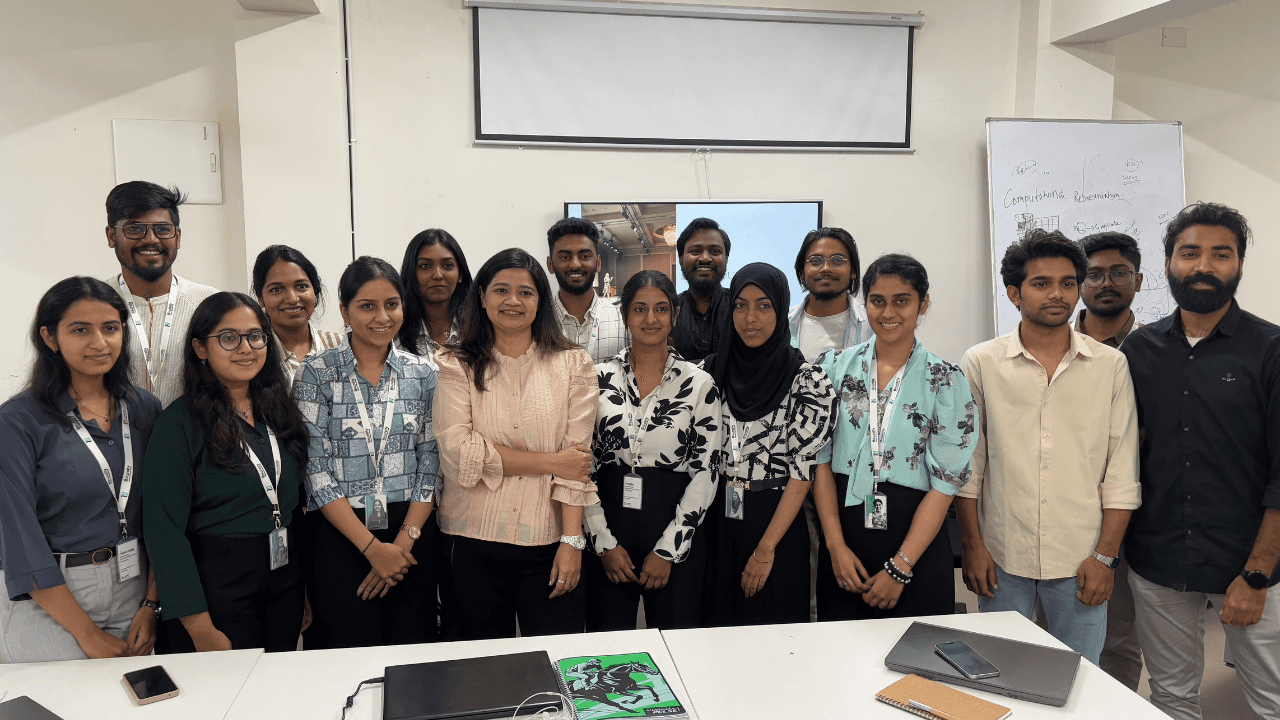
For many biotechnology students, the biggest challenge is not completing a degree. The real challenge begins after graduation, when they try to step into the industry and realize how different the professional world feels compared to academics. Many students spend years studying biotechnology concepts but still feel unsure about interviews, industry expectations, practical workflows, and career direction.
At Bversity, we built our MSc Biotechnology program around this exact problem. We believe postgraduate education should not leave students wondering what comes next. Instead, it should actively help learners transition from being students into becoming professionals who are prepared for real biotech careers.
That transition requires much more than classroom teaching. It requires industry immersion, practical learning, mentorship, exposure to modern biotech applications, and continuous career guidance throughout the journey.
Building Career Readiness Through Industry Immersive Biotechnology Education
One of the major gaps in traditional higher education is that students often learn subjects separately from how they are actually used in the biotechnology industry. Learners may understand concepts theoretically but still struggle to apply them in professional settings.
At Bversity, our focus is to reduce that disconnect. Through Bversity’s Industry Immersive MSc in Biotechnology, we aim to create a learning experience that feels closer to the real biotech ecosystem rather than a purely academic environment.
The biotechnology industry today is influenced by genomics, bioinformatics, molecular diagnostics, AI-driven healthcare, computational biology, and data-based decision-making. Because of this, students need exposure to how biotechnology is evolving in real industries, not just how it existed years ago in static textbooks.
When learners begin understanding biotechnology within practical and industry-driven contexts, they naturally become more prepared for career transitions.
Practical Biotechnology Learning Creates Professional Confidence
A common issue many graduates face is lack of confidence during interviews and industry interactions. Often, this is not because students are incapable. It happens because they have not been exposed enough to practical applications and real-world problem solving.
We believe confidence grows through doing, not memorizing. That is why practical exposure plays an important role in our learning approach. Students should not only study biotechnology concepts but also understand how they connect to industry workflows, project execution, analysis, and collaboration.
When learners repeatedly engage with applied biotechnology scenarios, they gradually stop thinking only as students preparing for exams. Instead, they begin thinking like professionals who can approach challenges, interpret information, and contribute meaningfully.
This shift is extremely important because biotechnology careers increasingly reward adaptability and practical understanding over rote theoretical knowledge alone.
Career Guidance in Biotechnology Should Start Early
Many students enter MSc Biotechnology programs without clarity about career pathways. Some want to work in research, some are interested in biotech companies, while others explore healthcare technology, diagnostics, computational biology, or bioinformatics. Without guidance, this uncertainty can become stressful.
At Bversity, we believe career conversations should not happen only at the end of a program. Students benefit more when they are gradually exposed to different industry directions throughout their learning journey.
A career-focused MSc Biotechnology experience should help learners understand how the industry functions, what companies expect, how roles differ, and how they can build relevant skills over time. This creates clarity and reduces the confusion many graduates experience after completing their degrees.
One hidden problem in higher education is that students are often expected to independently figure out the professional world while simultaneously trying to complete academics. That transition becomes much smoother when mentorship and structured guidance are integrated into the learning ecosystem itself.
Biotechnology Industry Exposure Changes Student Mindsets
There is a major psychological difference between studying for marks and preparing for careers. Students who are exposed only to academic systems often focus mainly on passing exams. However, learners exposed to industry thinking begin focusing on problem-solving, communication, adaptability, and continuous learning.
This mindset shift matters because biotechnology industries evolve constantly. Technologies change, workflows improve, and interdisciplinary collaboration becomes more important every year.
At Bversity, we aim to help learners develop a more industry-aware perspective during the program itself. When students understand how biotechnology operates beyond classrooms, they begin preparing themselves differently. They become more proactive, curious, and career-oriented in their learning process.
That internal shift often becomes one of the most valuable parts of career transition.
Why Modern MSc Biotechnology Programs Must Go Beyond Traditional Education
The biotechnology field is growing rapidly, but many students still face employability gaps after graduation. This is not always because students lack intelligence or effort. Often, the educational structure itself does not fully prepare them for modern industry expectations.
A career-focused MSc Biotechnology program should therefore combine academic learning with professional development, practical immersion, industry exposure, and long-term skill building.
At Bversity, our goal is not simply to help students complete a postgraduate degree. Through our Industry Immersive MSc in Biotechnology program, we aim to support learners in becoming more career-ready, industry-aware, and confident as they transition into the biotechnology sector.
The biotechnology industry is changing quickly, and students deserve an educational experience that helps them evolve with it rather than struggle to catch up after graduation.