Feb 12, 2026
|
5
min read

If you’re a life science student right now, you’ve probably asked yourself this question:
“Should I just do a biotech masters and everything will fall into place?”
It sounds logical. For years, a master’s degree was the natural next step. But biotech jobs in 2026 don’t look the same as they did even five years ago.
The industry has changed. Fast.
So let’s talk honestly. Is a traditional master’s enough anymore?
The Reality of Biotech Jobs in 2026
Biotech companies today are not just hiring lab technicians. They are hiring:
Bioinformatics analysts
Genomics data specialists
AI-assisted drug discovery researchers
Clinical data analysts
Computational biologists
The common thread?
Data.
Biotech jobs now sit at the intersection of biology, programming, and analytics. And that’s where the gap begins.
Why a Biotech Masters Alone May Not Be Enough
Doing a biotech masters is not a bad decision. But here’s where many students struggle:
1. Outdated Syllabus
Some programs still focus heavily on:
Theory-heavy subjects
Traditional wet lab modules
Exams over applications
Meanwhile, companies are asking for:
Python or R
NGS pipeline experience
AI and machine learning exposure
Handling real biological datasets
2. Limited Hands-On Industry Exposure
Many master’s programs:
Offer minimal real-world datasets
Don’t simulate industry workflows
Have optional or competitive internships
So when you apply for biotech jobs, recruiters ask:
“Have you worked on real projects?”
That’s where many students feel stuck.
Biotech Jobs Demand Applied Skills, Not Just Degrees
Here’s what employers increasingly value:
Ability to analyze genomic or transcriptomic data
Comfort with bioinformatics tools
Experience with databases like NCBI or GEO
Problem-solving with computational approaches
Portfolio projects
A degree shows qualification.
Skills show capability.
In 2026, capability wins.
Why a Bioinformatics Online Program Makes Sense
Instead of only extending your education by two years, many students are now choosing focused, industry-aligned programs.
A structured bioinformatics online program can help you:
Learn exactly what biotech companies are hiring for
Work on real-world datasets
Build a strong project portfolio
Get mentorship from industry professionals
One example is Bversity's PG Diploma in Bioinformatics Genomics and Data sciences
This program is designed around:
Industry-relevant tools and workflows
Practical exposure over theoretical overload
Real projects that prepare you for biotech jobs
Bridging the gap between academics and hiring expectations
Instead of spending time on subjects you may never use, you focus on what actually matters in the biotech job market.
So, What Should You Do?
Before you decide, ask yourself:
Do I want a degree, or do I want employable skills?
Am I learning tools that companies are currently using?
Can I confidently explain a real project in an interview?
If your goal is biotech jobs in 2026, then you need:
Data skills
Bioinformatics exposure
Computational confidence
Industry alignment
A traditional master’s can give you a foundation.
But industry-focused training gives you direction.
Final Thoughts
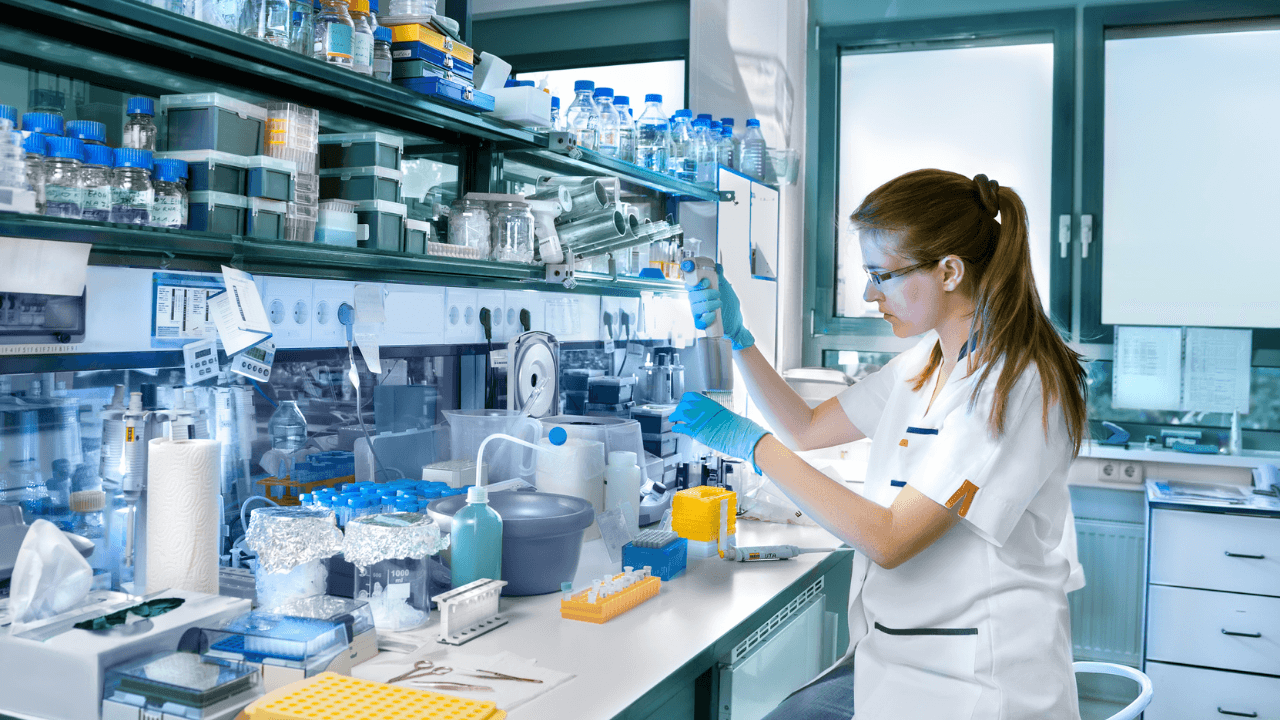
Biotech is no longer just about lab coats and microscopes. It’s about code, data, automation, and AI-assisted research.
A biotech masters may still be valuable, but on its own, it might not be enough for the evolving biotech job market.
If you want to stay competitive in 2026, think beyond degrees. Think skills. Think relevance. Think industry.
That’s what truly gets you hired.