Oct 13, 2025
|
6
min read
If you’re a life science student trying to choose a career path, you’ve probably come across two very common options: medical coding and bioinformatics.
Both are popular, both are related to healthcare, and both are growing today. But they’re not the same, and more importantly, their future potential looks very different.
Let’s break it down in the simplest way possible so you can make an informed, future-proof choice.
What is Medical Coding?
Medical coding is the process of converting doctor’s notes, diagnoses, procedures, and medical reports into standard codes (like ICD and CPT).
Skills required
Understanding of medical terminology
Anatomy and physiology basics
Ability to read patient charts
Knowledge of coding systems (ICD-10, CPT, etc)
Accuracy and attention to detail
Applications
Insurance claims
Hospital billing
Health record management
Job roles
Medical coder
Clinical documentation specialist
Billing executive
Claims analyst
Medical coding is essential today because hospitals and insurance companies rely heavily on accurate documentation. But here’s the important part.
What is Bioinformatics?
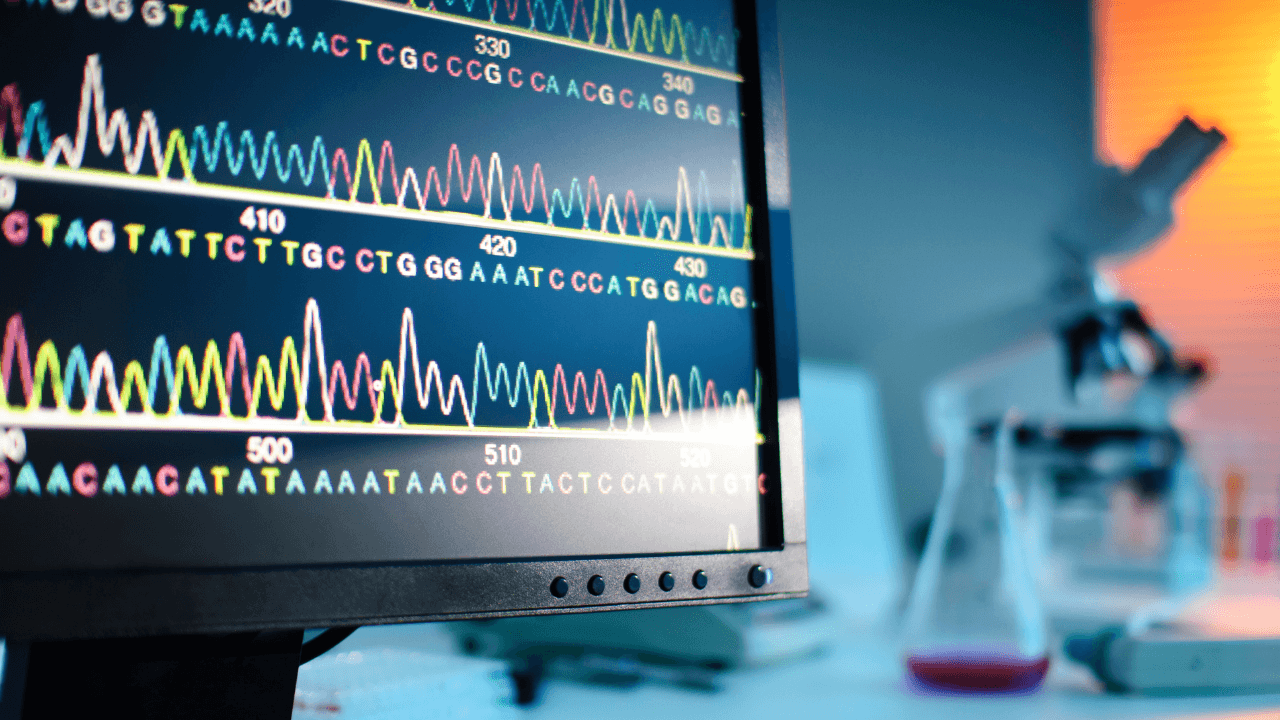
Bioinformatics is a combination of biology, data science, and computation.
It uses coding, algorithms, and analytical tools to understand complex biological data such as DNA, RNA, proteins, and clinical datasets.
Skills required
Python or R
Working with biological datasets
Statistics and data analysis
Understanding genomics, transcriptomics or proteomics
Ability to use tools like BLAST, FASTQC, Cytoscape, etc
Applications
Drug discovery
Precision medicine
Genomics and transcriptomics
Vaccine development
Biomarker discovery
Cancer research
Clinical bioinformatics
Job roles
Bioinformatics analyst
Genomics data scientist
Computational biologist
Clinical bioinformatics associate
Research data analyst
Bioinformatics jobs are increasing rapidly in pharma, biotech, healthcare AI companies, and GCCs across India.
How the Future Will Change These Two Careers
We have to look beyond today and ask,
“Which skills will survive the next 10 years?”
Let’s be honest.
Medical Coding Is Becoming Highly Automated
AI tools like GPT-based coding assistants, hospital automation systems, and voice-to-code models are already replacing many tasks done by human medical coders.
Hospitals are adopting:
Automated ICD code prediction
AI billing validation
EHR-integrated coding systems
NLP-powered report interpretation
This means the workload for humans will decrease, and companies will need fewer coders.
Medical coding jobs will not disappear overnight, but they are not future-proof. They do not offer strong growth or intellectual challenge, and they rely heavily on repetitive tasks that AI excels at.
Bioinformatics Is Growing Faster Than Ever
Now look at bioinformatics…
Everything in healthcare is moving toward data, genomics, AI, and precision medicine.
Here’s why bioinformatics will grow for decades:
Every major pharma company uses bioinformatics in drug discovery
Cancer research relies heavily on genomic data
AI in biotech needs bioinformaticians to prepare datasets
Genetic testing companies are booming
Vaccine and therapeutic companies rely on computational models
Hospitals and GCCs are hiring genomics analysts
India alone is seeing massive growth in:
Healthcare GCCs
Genomics startups
AI-for-biotech companies
Clinical research organisations
Pharma R&D hubs
Bioinformatics is simply becoming essential to how modern medicine works.
So Which One Should You Choose?
If you want a job quickly and don’t mind repetitive work, medical coding can be a temporary start. But if you want a future-proof, impactful, high-growth career, bioinformatics is the clear choice.
Why bioinformatics is the better long-term path
You gain skills that AI cannot easily replace
Your work contributes directly to drug discovery and healthcare innovation
You grow with an industry that is expanding, not shrinking
Your salary potential is much higher
You can shift into data science, AI roles, clinical research, biotech R&D and more
Bioinformatics requires learning new skills, but those skills give you 10x better opportunities.
The Bottom Line
Medical coding prepares you for today.
Bioinformatics prepares you for the next decade.
If you want to future-proof your biotech career, work in high-impact teams, and be part of healthcare innovation, start building dry lab and computational skills now.