Jun 24, 2026
|
0
min read
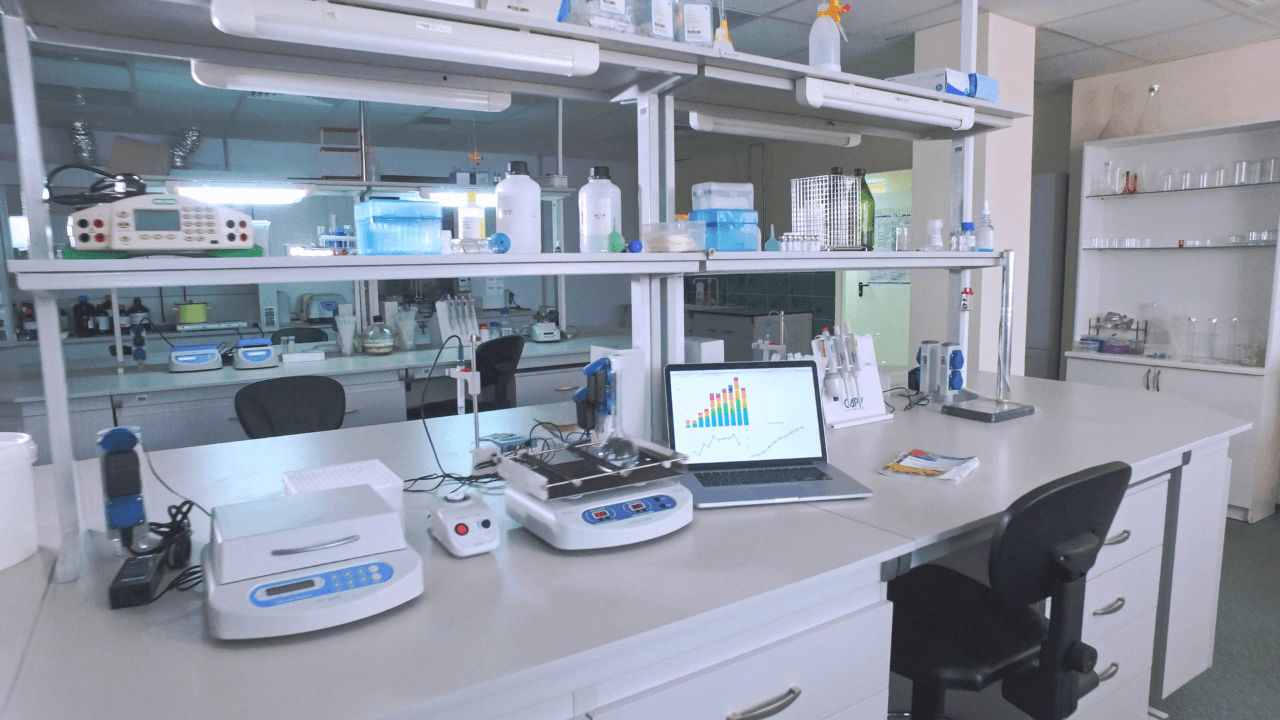
Over the past two decades, few technologies have transformed biology and healthcare as dramatically as Next Generation Sequencing (NGS). What once took years of research and billions of dollars can now be accomplished in days or even hours, allowing scientists to study genetic information at an unprecedented scale.
NGS has become a cornerstone technology across genomics, biotechnology, precision medicine, drug discovery, agriculture, and healthcare research. It enables researchers to analyze entire genomes, identify disease-causing mutations, understand biological pathways, and develop personalized treatment strategies.
As sequencing technologies continue advancing and becoming more affordable, NGS is no longer a specialized tool used only by elite research institutions. It is rapidly becoming a standard component of modern life sciences.
For students and professionals interested in genomics, biotechnology, and bioinformatics, understanding Next Generation Sequencing is increasingly important because it sits at the center of many emerging scientific and career opportunities.
What Is Next Generation Sequencing?
Next Generation Sequencing, commonly known as NGS, refers to a group of advanced sequencing technologies that allow scientists to analyze millions or even billions of DNA fragments simultaneously.
Traditional sequencing methods could process only small portions of DNA at a time. NGS dramatically increased sequencing speed, throughput, and efficiency by enabling large-scale parallel analysis.
This breakthrough allows researchers to study:
Entire genomes
Exomes
Transcriptomes
Microbial communities
Genetic mutations
Gene expression patterns
Because NGS can generate enormous amounts of biological data, it has become one of the most powerful tools in modern biological research.
How Modern Sequencing Technologies Are Revolutionizing Biology
The impact of sequencing technologies extends far beyond simply reading DNA.
Today, researchers use advanced sequencing platforms to answer complex biological questions that were previously impossible to investigate efficiently.
Modern sequencing technologies help scientists:
Identify disease-associated mutations
Understand genetic disorders
Study cancer progression
Monitor infectious diseases
Explore microbial ecosystems
Investigate gene regulation
Support drug discovery programs
As sequencing technologies continue evolving, researchers can generate increasingly detailed biological insights while reducing costs and turnaround times.
This has accelerated innovation across multiple areas of healthcare and life sciences.
Key NGS Applications Across Healthcare and Biotechnology
One reason NGS has become so important is the wide variety of applications it supports.
Genomics Research
Perhaps the most well-known use of NGS is genome sequencing.
Researchers can analyze complete genomes to identify genetic variations associated with health and disease.
This information supports:
Disease research
Population genetics studies
Precision medicine initiatives
Genomic discoveries
Cancer Genomics
Cancer research has benefited enormously from NGS.
Scientists use sequencing technologies to identify mutations that drive tumor development and progression.
This enables:
More accurate diagnosis
Targeted therapies
Personalized treatment plans
Better patient monitoring
Infectious Disease Surveillance
NGS plays a crucial role in tracking pathogens and understanding disease outbreaks.
Researchers can sequence viral and bacterial genomes to study:
Transmission patterns
Mutation rates
Drug resistance
Epidemiological trends
Transcriptomics
Researchers use RNA sequencing to study gene expression patterns and understand how genes behave under different biological conditions.
Precision Medicine
NGS helps healthcare providers tailor treatments based on an individual's genetic profile.
This is becoming one of the most important NGS applications in modern healthcare.
Benefits of Next Generation Sequencing
The widespread adoption of NGS is driven by several significant advantages.
High Throughput Analysis
NGS can process millions of DNA fragments simultaneously, dramatically increasing efficiency.
Faster Results
Compared to traditional sequencing methods, NGS significantly reduces analysis time.
Greater Accuracy
Modern sequencing platforms provide highly detailed genetic information that supports better research and clinical decisions.
Lower Costs
The cost of sequencing has decreased dramatically over the past decade, making genomic analysis more accessible.
Broad Applications
NGS supports research across:
Healthcare
Biotechnology
Agriculture
Environmental science
Pharmaceutical development
These advantages have positioned NGS as a foundational technology for future scientific advancements.
Why NGS Is Creating New Genomics Careers
As sequencing technologies become more widely adopted, demand for skilled professionals continues growing.
Organizations now require specialists who can generate, analyze, interpret, and manage sequencing data.
This has created numerous genomics careers across healthcare, biotechnology, pharmaceuticals, and research organizations.
Some common roles include:
Genomics Analyst
Professionals who interpret genomic datasets and support research or clinical initiatives.
Bioinformatics Analyst
Specialists who analyze sequencing data using computational tools and workflows.
Clinical Genomics Associate
Professionals who support genomic testing and precision medicine programs.
Computational Biologist
Researchers who use computational approaches to understand biological systems and genomic information.
Precision Medicine Associate
Specialists who help integrate genomic data into healthcare decision-making.
Research Associate – Genomics
Researchers involved in sequencing projects and genomic studies.
As healthcare and biotechnology become increasingly data-driven, genomics careers are expected to continue expanding.
Why Bioinformatics Has Become Essential for NGS
One important reality many students discover is that generating sequencing data is only the beginning.
Modern NGS platforms produce enormous datasets that require sophisticated analysis.
This is where bioinformatics becomes essential.
Bioinformatics helps researchers:
Process sequencing data
Identify genetic variants
Interpret biological significance
Manage large datasets
Generate actionable insights
Without bioinformatics workflows, many NGS projects would be impossible to execute effectively.
As a result, bioinformatics and genomics have become deeply interconnected fields.
Students interested in NGS-related careers often benefit from developing expertise in both domains.
Skills Needed for Careers in NGS and Genomics
As demand for genomics professionals grows, several skills are becoming increasingly valuable.
These include:
Biological Sciences
A strong understanding of:
Genetics
Molecular biology
Genomics
Biotechnology
provides the scientific foundation required for sequencing-related roles.
Bioinformatics
The ability to analyze and interpret sequencing data has become one of the most sought-after skills in genomics.
Data Analysis
NGS projects generate large datasets that require analytical thinking and interpretation.
Computational Skills
Basic familiarity with computational tools, programming, and bioinformatics workflows can significantly improve career prospects.
Scientific Communication
The ability to explain genomic findings clearly is valuable across research and healthcare environments.
Professionals who combine these capabilities are often well-positioned for future opportunities.
Preparing for Industry Opportunities in Genomics and Bioinformatics
Many students are fascinated by genomics and sequencing technologies but are unsure how to translate that interest into a career.
One challenge is that traditional academic programs often focus heavily on theory while providing limited exposure to industry workflows and real-world applications.
At Bversity, we developed Bversity's Industry PG Program in Bioinformatics to help learners understand how biological data is analyzed and interpreted within modern life sciences environments.
The program focuses on practical exposure to concepts relevant to genomics, bioinformatics, computational biology, healthcare analytics, and precision medicine.
Students gain familiarity with workflows and analytical approaches that align with emerging industry roles such as:
Bioinformatics Analyst
Genomics Analyst
Clinical Bioinformatics Associate
Computational Biologist
Precision Medicine Associate
Research Associate – Genomics
The goal is not simply to understand sequencing technologies but to learn how biological data is transformed into insights that drive healthcare and scientific innovation.
The Future of NGS Looks Stronger Than Ever
The influence of Next Generation Sequencing continues expanding across nearly every area of life sciences.
As sequencing technologies become faster, more affordable, and more accessible, they will play an even larger role in:
Precision medicine
Drug discovery
Genomic research
Healthcare innovation
Disease prevention
Personalized treatment strategies
For students and professionals, this represents a significant opportunity.
NGS is not just another laboratory technology. It is a foundational platform that is helping shape the future of healthcare and biotechnology.
Those who understand sequencing technologies, genomics, and bioinformatics will be increasingly valuable as organizations continue investing in data-driven scientific innovation.