Dec 1, 2025
|
5
min read
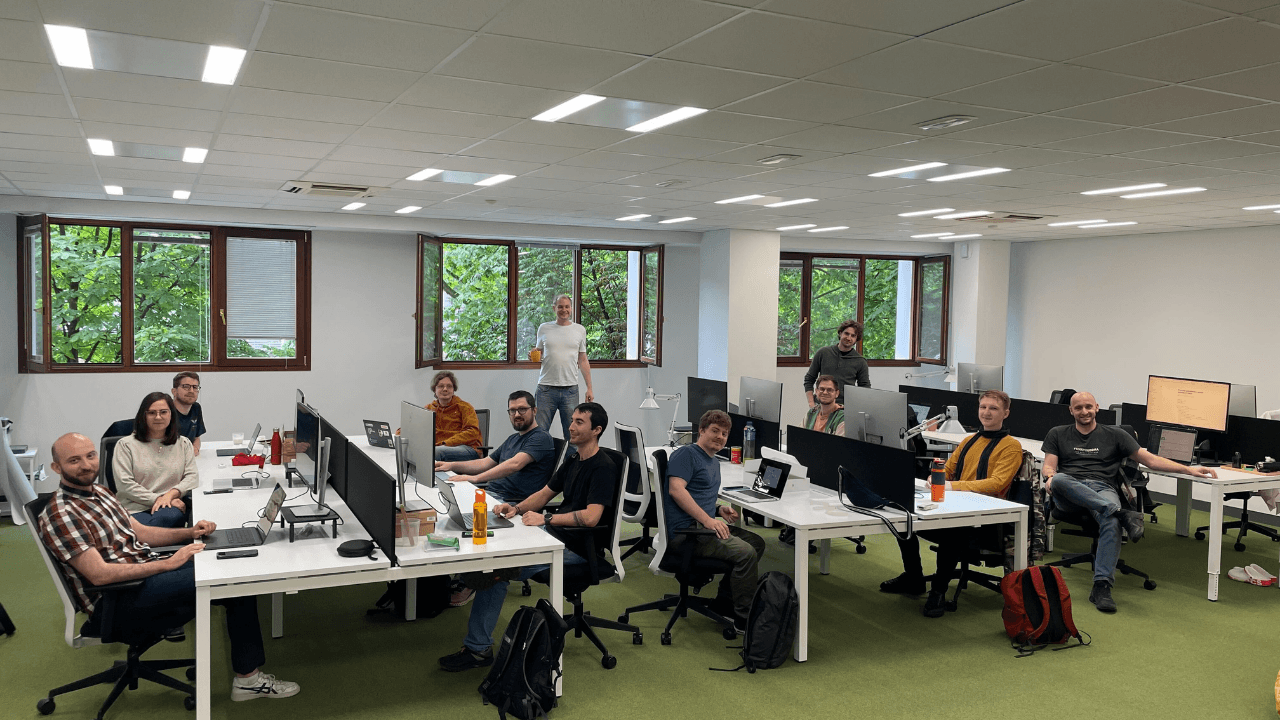
At Bversity, we are committed to pioneering progress in the life sciences industry. We recognize that there are remarkable innovators across the globe, and we actively collaborate with them to push the scientific frontier forward. Through these partnerships, we bring you the finest firms, exceptional individuals, and the inspiring stories that shape the future of science. Earlier this week, we sat down with Stan Poslavsky, CEO at MiLaboratories, a pioneering tech company transforming the genomics software space. We wanted to learn more about their mission, the impact they’re making in the scientific community, and their vision for the future of bioinformatics.
Thank you for joining us today. Could you please briefly introduce your company and what you do?
At MiLaboratories, we’re all about making data insights accessible to every biologist, without the coding bottleneck. We were founded by scientists, so we experienced first-hand how frustrating it is when great ideas get slowed down by complicated tools. Our mission is to make bioinformatics intuitive and open, so researchers can spend their time on discovery instead of deciphering code. Essentially, we bridge biology and bioinformatics, giving scientists the tools to get meaningful insights from their own experiments.
It sounds like you’re really changing the way scientists work, what are the key solutions or platforms that make that possible?
We actually started off with MiXCR, a command-line tool for analyzing T-cell and B-cell receptors. After our publication in Nature, it quickly became the leading immune repertoire analysis software, used by thousands of researchers in labs around the world. Building on that success, we recognized the need for more user-friendly tools, so we spent years developing Platforma, which expands what researchers can do even further, offering more downstream functionalities and a no-code experience that makes advanced bioinformatics accessible without the command line. Essentially, Platforma lets scientists take their analyses to the next level, offering way more functionalities and ability to process larger data sets.
Can you give an example of how a researcher might use your technology in their daily work?
Absolutely. We have thousands of users across the world using our technology in oncology, vaccine development, and infectious disease research. We collaborated with the FDA in their BCR-SEQ standardization project, and MiXCR accurately decoded B‑cell receptor repertoires, helping set new standards for reproducible immune profiling.
We also work with top pharma companies, like GSK and Novartis, to streamline their antibody discovery. Previously, a project on a pharma team would take one month with heavy bioinformatics support, but Platforma enabled the analysis by biologists in two days, resulting in a list of prioritized antibody candidates.
What sets Platforma apart from other tools in the bioinformatics space?
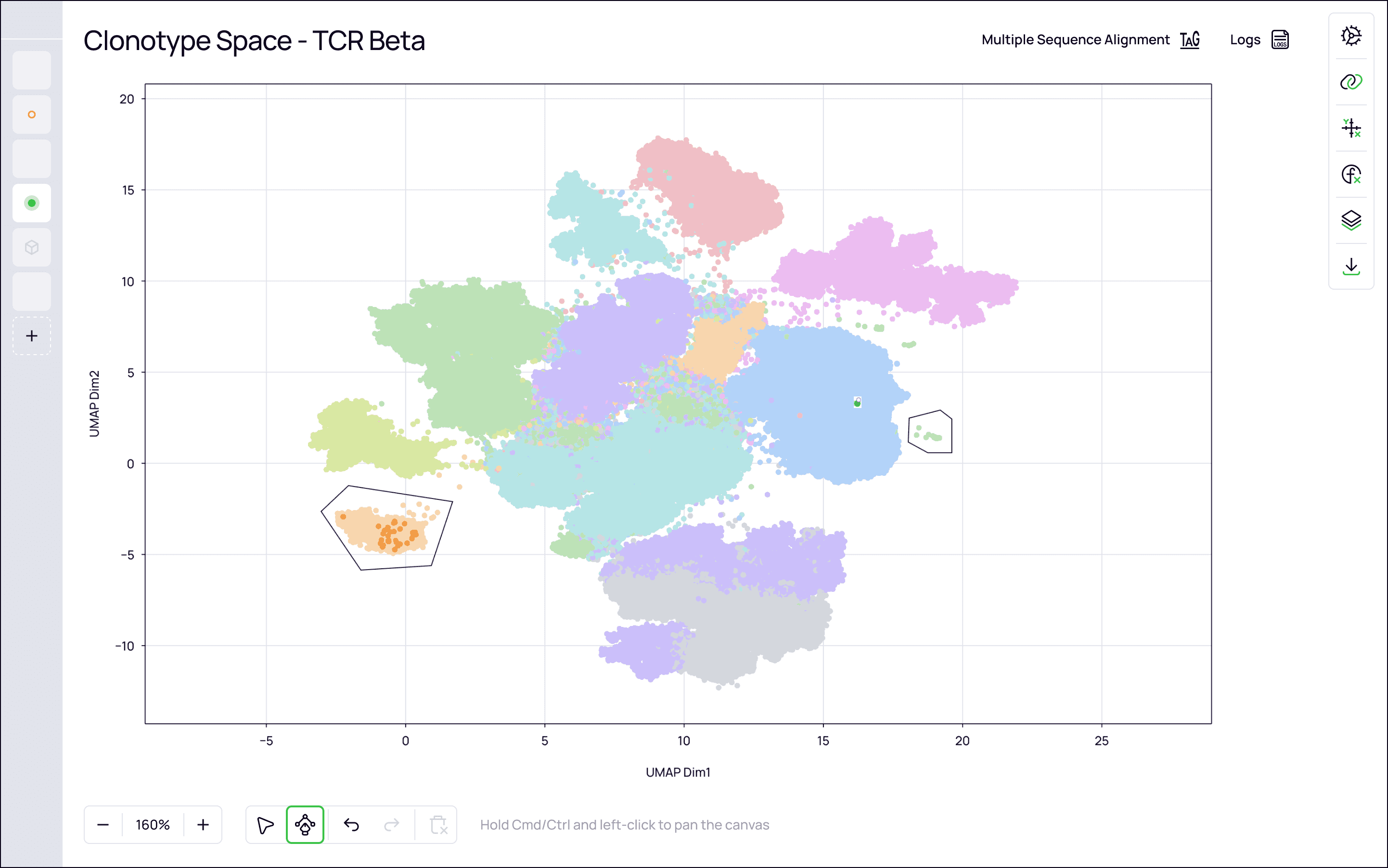
Three things. Unlike traditional bioinformatics tools that rely heavily on command-line expertise, Platforma is much easier to use, without sacrificing on functionality. You can easily run downstream blocks like repertoire diversity, antibody affinity prediction, SHM trees, and a lot more. We hear a lot about how the back and forth - between biologists who designed the experiment and bioinformaticians who don’t necessarily know what biological insight to look for - can really slow down discoveries, so now we put the power into the biologist’s hands.
It’s also built for scalability and flexibility - you can deploy it wherever you need: on your PC, HPC cluster, or cloud environment, which gives users the option for higher computing power and data security.
And lastly, what makes us really unique, is that Platforma is also a software development kit, meaning the bioinformaticians can deliver their own tools directly to their teams. We have an extensive library of open-source community blocks that make it easy to create pipelines for the end user.
Thanks for joining us today. Before we finish, what innovation or shift do you think will have the biggest impact on bioinformatics?
One of the biggest shifts in bioinformatics is the explosion of data driven by lower and lower cost of sequencing. We now have access to more data than ever before, but the challenge has shifted from generating data to making sense of it. The real innovation will come from platforms and tools that can organize, analyze, and interpret these massive datasets efficiently without getting bogged down in technical complexity. Achieving this requires intuitive, user-friendly tools, integrated and scalable workflows, and AI to reveal meaningful patterns in the data.