Jun 3, 2026
|
5
min read
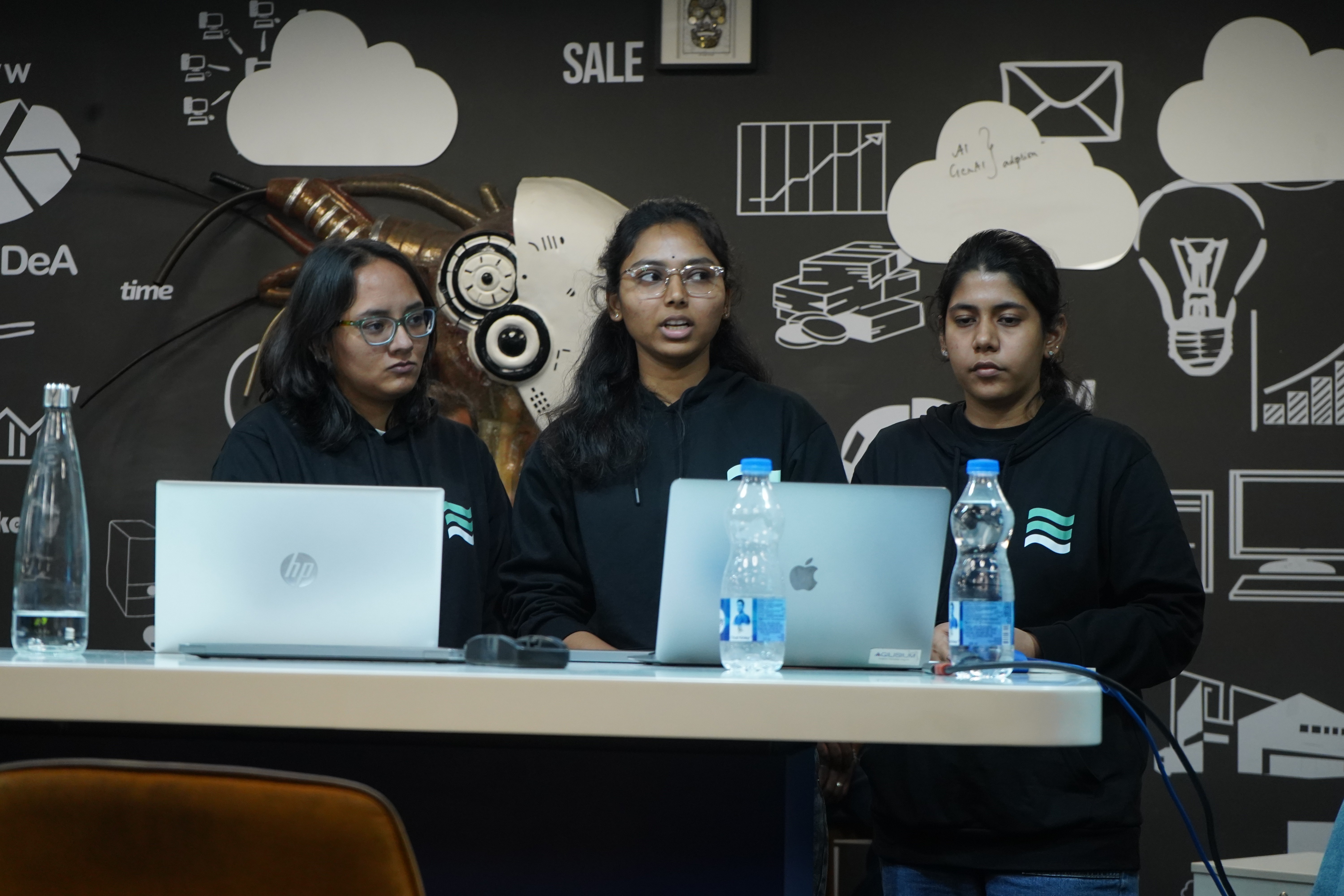
Pursuing an MSc Biotechnology degree in 2026 looks very different from what it did a few years ago. The biotechnology industry is evolving rapidly through artificial intelligence, genomics, computational biology, diagnostics, bioinformatics, and data-driven healthcare systems. Because of this shift, students today need more than academic qualifications alone. They need practical exposure, industry awareness, and career-focused learning that prepares them for the modern biotech ecosystem.
Many students still choose postgraduate programs based only on university names, conventional structures, or outdated expectations. However, the smarter approach is to evaluate whether the program can genuinely help build long-term career readiness in a changing biotechnology landscape.
At Bversity, we believe biotechnology education should evolve alongside the industry itself. That is why Bversity’s Industry Immersive MSc in Biotechnology is designed around practical learning, industry immersion, and future-oriented skill development.
Why Traditional MSc Biotechnology Education Is No Longer Enough
One important reality students are beginning to recognize is that many traditional MSc Biotechnology programs still follow older academic models. While theoretical foundations remain important, biotechnology companies increasingly look for professionals who can adapt to real industry workflows and evolving technologies.
The challenge is not that students lack intelligence or effort. The challenge is that education systems sometimes fail to bridge the gap between classroom learning and industry expectations.
In 2026, biotechnology learners need exposure to areas like:
Bioinformatics and computational biology
Molecular diagnostics and genomics
AI applications in life sciences
Research interpretation and data analysis
Biotechnology problem-solving approaches
Cross-disciplinary collaboration
Without this broader exposure, many students graduate with degrees but still feel uncertain about their career direction and industry readiness.
Industry-Focused MSc Biotechnology Programs Create Better Career Outcomes
A smarter MSc Biotechnology journey should prepare learners for careers, not just examinations. This changes how education itself should be structured.
Students benefit significantly when programs integrate:
Practical biotechnology learning
Real-world industry context
Mentorship and guidance
Career-oriented projects
Exposure to current biotech trends
Professional communication development
At Bversity, our goal is to help learners understand how biotechnology functions beyond textbooks. We focus on helping students connect concepts with practical applications so they can transition more confidently into professional environments.
The biotechnology industry today values adaptability, analytical thinking, and applied understanding. A career-focused MSc Biotechnology program should therefore help students develop these qualities consistently throughout the learning process.
The Role of Industry Immersion in Biotechnology Careers
One of the hidden gaps in higher education is lack of industry immersion. Many students spend years studying biotechnology without fully understanding how biotechnology companies, healthcare systems, research organizations, and life science teams actually operate.
This creates a difficult transition after graduation because students suddenly have to understand professional expectations without prior exposure.
Industry immersion helps solve this issue by gradually familiarizing learners with:
Industry workflows
Professional expectations
Real biotechnology applications
Team collaboration environments
Emerging technologies
Career pathways within life sciences
When students repeatedly engage with industry-oriented learning experiences, they begin developing confidence naturally. They stop viewing biotechnology only as an academic subject and begin understanding it as a professional field with practical impact.
That shift in mindset is often what separates passive learning from career-focused growth.
Smarter Biotechnology Learning Means Thinking Beyond Marks
Many students unknowingly optimize their education only around marks, assignments, and semester completion. While academic performance matters, biotechnology careers increasingly depend on deeper capabilities.
In 2026, employers often evaluate whether candidates can:
Learn continuously
Adapt to changing technologies
Communicate effectively
Solve practical problems
Understand interdisciplinary systems
Work with evolving biotech tools and workflows
This means students should evaluate MSc Biotechnology programs not just by curriculum titles but by the quality of learning experiences they offer.
A smarter educational decision asks questions like:
Will this program help me become industry-ready?
Will I gain practical exposure?
Will I understand modern biotechnology trends?
Will I build confidence for real career environments?
Will I receive mentorship and career guidance?
These questions matter because biotechnology itself is becoming increasingly dynamic and interconnected.
How Bversity Approaches Modern MSc Biotechnology Education
At Bversity, we understand that biotechnology careers today require more than theoretical understanding alone. Through our Industry Immersive MSc in Biotechnology program, we aim to create a learning ecosystem that aligns more closely with modern industry realities.
Our approach focuses on helping learners:
Understand biotechnology through practical and industry-relevant contexts
Develop stronger career awareness
Gain exposure to evolving biotech applications
Build confidence through immersive learning
Transition more smoothly into professional environments
We believe postgraduate education should not leave students struggling to connect academics with employability after graduation. Instead, the learning journey itself should gradually prepare students for the professional world.
The Future of MSc Biotechnology Degrees Will Reward Adaptability
The biotechnology industry will continue evolving over the next decade. New technologies, interdisciplinary collaborations, AI-driven systems, and data-intensive healthcare solutions will reshape how life sciences operate globally.
Because of this, the smartest way to pursue an MSc Biotechnology degree in 2026 is to choose an educational experience that prepares students for continuous evolution rather than static learning.
Students do not just need degrees anymore. They need adaptability, industry understanding, confidence, and practical exposure that can help them grow with the industry itself.
At Bversity, we believe biotechnology education should help learners become future-ready professionals who are capable of navigating a rapidly changing biotech landscape with clarity and confidence.