May 22, 2026
|
6
min read
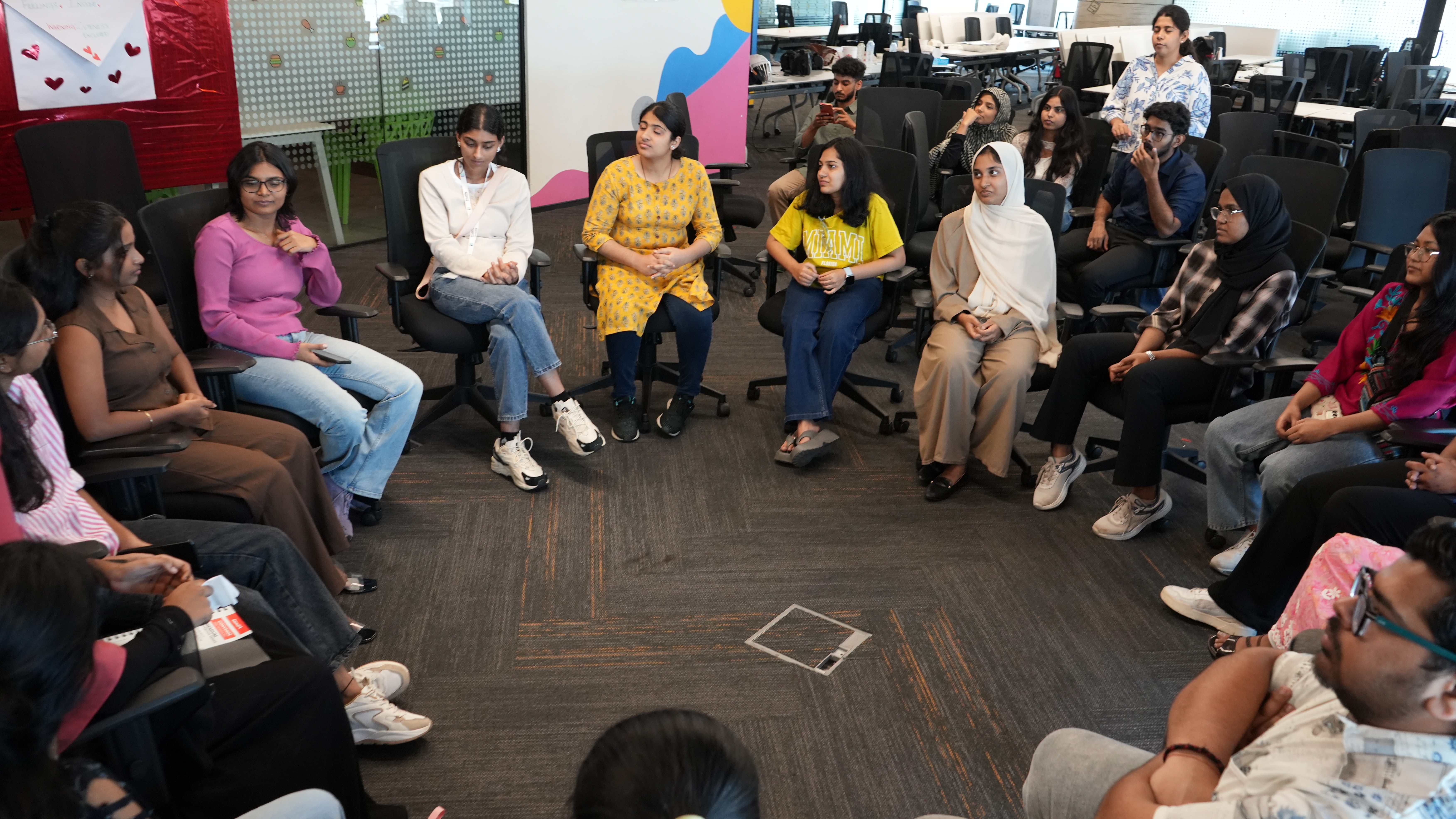
Why Students Are Rethinking Traditional MSc Biotechnology Programs
If you are planning to pursue an MSc Biotechnology degree, you have probably asked yourself an important question:
“Will this degree actually help me build a strong career in biotechnology?”
A few years ago, most students simply focused on getting into a university and completing their degree. But today, students are thinking differently.
They are asking:
Will I gain practical exposure?
Will I understand real biotech workflows?
Will I feel industry ready after graduation?
Will this help me secure better biotechnology jobs?
Will I build confidence, not just academic knowledge?
At Bversity, we believe these questions matter more than ever.
Because the biotech industry today is very different from what it was even a decade ago. Modern biotechnology careers now demand practical understanding, interdisciplinary thinking, and real-world problem-solving ability alongside academic learning.
That is exactly why we built Bversity’s Industry Immersive MSc in Biotechnology differently from traditional MSc Biotechnology programs.
Traditional MSc Biotechnology vs Industry Immersive MSc Biotechnology
Traditional MSc Biotechnology programs were originally designed around academic structures where the primary focus stayed on:
Theory-heavy learning
Semester exams
Assignments
Lab records
Concept memorisation
These foundations are still important. Scientific fundamentals will always matter in biotechnology. But here is the real question students should ask: Is academic learning alone enough for today’s biotechnology careers? For many students, the answer becomes clear after graduation.
They realise they understand concepts academically, but still feel uncertain about:
Real biotech work environments
Industry tools and workflows
Team collaboration
Practical project execution
Industry expectations during hiring
This is the exact gap industry immersive learning tries to solve.
At Bversity, we wanted students to experience biotechnology as a real industry while they are still studying, not only after entering the workforce.
Why Industry Exposure Matters More Than Ever in Biotechnology Careers
Think about this from your perspective as a student.
Would you feel more prepared for biotechnology jobs after:
Studying theory for two years?
Or after:
Working on practical projects
Interacting with industry professionals
Understanding real biotech workflows
Solving real-world problems during your MSc journey?
Most students already know the answer. Confidence usually comes from exposure and execution.
The biotechnology industry today increasingly overlaps with:
AI
Bioinformatics
Clinical research
Data science
Computational biology
Genomics
This means biotechnology careers are becoming much more interdisciplinary and application-driven. That is why industry exposure is no longer just an added advantage. It is becoming essential.
How Bversity’s Industry Immersive MSc Biotechnology Is Structured Differently
At Bversity, we designed our MSc Biotechnology program to gradually move students from academic understanding to industry readiness over four semesters. The learning journey is intentionally built to reduce the gap between college education and biotechnology careers.
Semester 1: Building Foundations for Modern Biotechnology Careers
In the first semester, students build strong scientific fundamentals while also beginning to understand how modern biotechnology connects with technology, computation, and data.
This phase introduces learners to the evolving nature of the biotech industry itself.
Students begin understanding that biotechnology today is not isolated from:
AI
Data-driven research
Computational workflows
Modern digital tools
This creates a much broader and more industry-relevant perspective early in the journey.
Semester 2: Applying Biotechnology Learning to Real-World Scenarios
The second semester starts shifting the focus toward application.
Students begin working with:
Practical assignments
Industry-oriented datasets
Real-world workflows
Applied biotechnology use cases
This stage becomes important because learners move from simply understanding concepts to applying them in realistic environments.
A lot of students begin developing stronger confidence here because learning starts feeling connected to actual biotechnology careers instead of only exams.
Semester 3: Industry Immersion and Biotechnology Project Experience
By the third semester, the learning experience becomes much closer to real biotech environments.
Students work on:
Industry-level projects
Team-based collaboration
Practical problem-solving
Advanced biotechnology applications
Project presentations and execution
This phase often changes how students think about their future careers. Instead of feeling disconnected from the biotech industry, learners begin understanding how real teams operate and how biotechnology solutions are built in practical settings. That exposure creates clarity and confidence.
Semester 4: Transitioning from MSc Biotechnology to Biotechnology Jobs
The final semester focuses heavily on experiential learning and career readiness.
Students work on:
Capstone projects
Independent project ownership
Real-world problem-solving
Portfolio development
Career preparation
By this stage, students are not simply graduating with theoretical knowledge.
They are graduating with:
Practical exposure
Industry familiarity
Stronger confidence
Project experience
Better preparation for biotechnology jobs
That is one of the biggest differences between traditional and industry immersive learning models.
Why Practical Learning Creates Better Biotechnology Career Outcomes
Many students assume a degree alone automatically creates career opportunities. But modern biotech companies often evaluate much more than academic scores.
They look for:
Practical understanding
Adaptability
Problem-solving ability
Project experience
Communication skills
Industry familiarity
This is why industry immersive learning creates such a strong advantage.
When students continuously work on practical exposure throughout their MSc Biotechnology journey, they become much more comfortable transitioning into real careers. They are not entering the industry blindly after graduation. They already understand how many aspects of the biotech ecosystem function.
Why We Believe the Future of MSc Biotechnology Education Is Changing
Students today are becoming far more aware of what they actually need from a Masters in Biotechnology. They are no longer looking only for classroom-based education.
They are looking for:
Industry integration
Real-world projects
Mentorship
Practical exposure
Career readiness
Stronger biotechnology career opportunities
At Bversity, we believe biotechnology education needs to evolve alongside the industry itself.
That is why Bversity’s Industry Immersive MSc in Biotechnology focuses on helping students become more industry-ready throughout the learning journey itself.
Final Thoughts
Traditional MSc Biotechnology programs still provide valuable academic foundations, and those foundations remain important. But in today’s biotech ecosystem, academic learning alone is often no longer enough to build strong biotechnology careers.
Students need exposure, application, mentorship, industry understanding, and practical confidence while they are still studying. That is the core idea behind industry immersive learning. At Bversity, we are trying to create an MSc Biotechnology experience that helps students move beyond classrooms and closer to real biotechnology careers from the very beginning.