Jun 9, 2026
|
5
min read
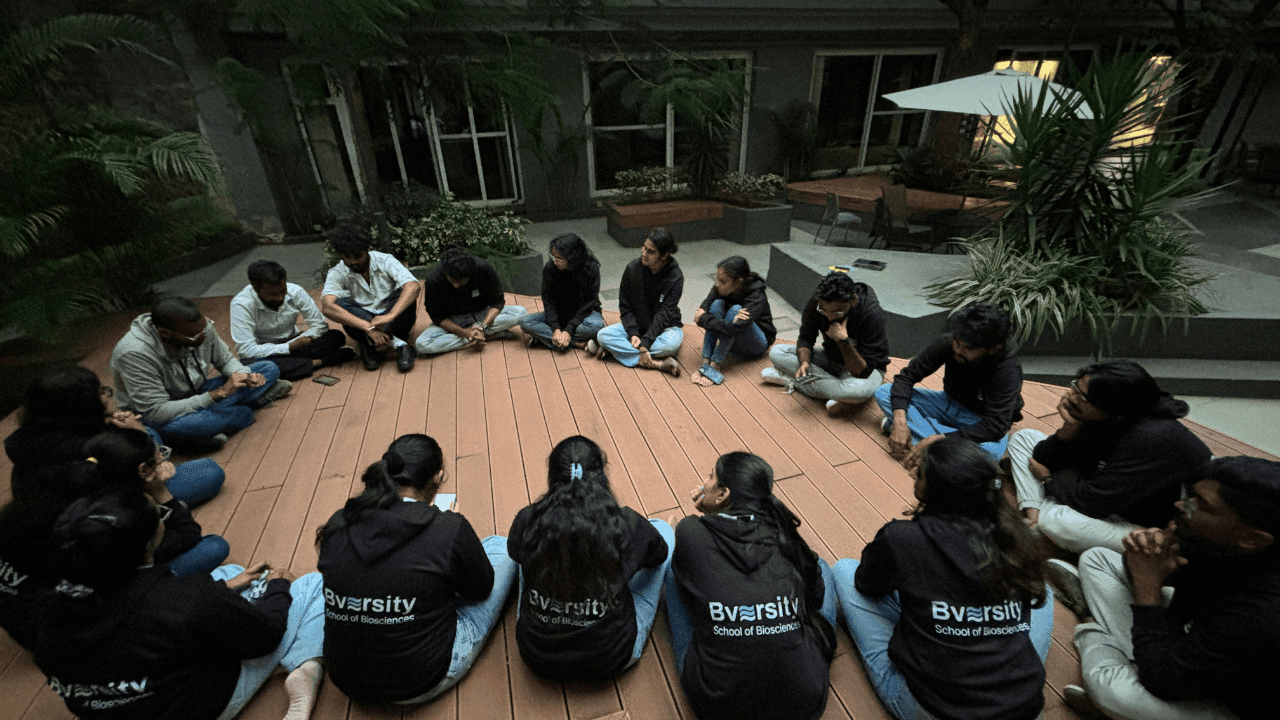
Choosing an MSc Biotechnology program can feel exciting, but it can also be confusing. A quick online search will show hundreds of universities, colleges, and institutions offering postgraduate biotechnology degrees. Most programs promise advanced learning, career opportunities, industry relevance, and future growth. As a student, it can be difficult to determine which factors actually matter and which are simply marketing messages.
At Bversity, we believe students should approach this decision with clarity because an MSc Biotechnology degree is not just an academic investment. It is a decision that can influence future career opportunities, professional confidence, industry exposure, and long-term growth.
Before selecting any biotechnology master's program, there are several important things every student should understand.
The Degree Name Matters Less Than the Learning Experience
One of the biggest misconceptions students have is believing that all MSc Biotechnology programs provide a similar experience. While the degree title may be the same, the learning journey can vary significantly from one institution to another.
Some programs focus heavily on theoretical learning. Some emphasize research. Others attempt to combine academics with practical exposure and industry immersion.
Before making a decision, students should look beyond the degree name and examine questions such as:
What kind of learning experience does the program provide?
How much practical exposure is included?
How often do students engage with real-world biotechnology applications?
Does the program reflect current industry trends?
How does the curriculum connect to modern biotechnology careers?
The answers to these questions often reveal more about a program than the brochure itself.
Understanding the Biotechnology Industry Before Choosing a Program
Many students evaluate MSc Biotechnology programs without fully understanding where the biotechnology industry itself is heading.
Biotechnology today extends far beyond traditional laboratory work. The field increasingly intersects with:
Bioinformatics
Genomics
Computational biology
Molecular diagnostics
AI-driven healthcare
Precision medicine
Pharmaceutical innovation
Data science applications in life sciences
This means students should select programs that prepare them for the future of biotechnology rather than only its past.
A useful way to think about this is simple. Instead of asking, "What will I study?" students should also ask, "What kind of biotechnology professional will this program help me become?" That question often leads to much better decision-making.
Industry Exposure Is Becoming a Competitive Advantage
One factor that students often underestimate is the value of industry exposure during their postgraduate education. Many graduates discover after completing their degree that understanding scientific concepts and understanding industry environments are two very different things.
Industry exposure helps students gain familiarity with:
Professional expectations
Emerging technologies
Industry workflows
Real-world problem-solving
Career pathways
Workplace communication
When students gain this exposure during their education, they often experience a smoother transition into professional environments later.
At Bversity, this belief is one of the reasons we created our Industry Immersive MSc in Biotechnology program. We believe biotechnology education should help learners understand both the science and the industry where that science creates impact.
Practical Learning Often Creates More Confidence Than Theory Alone
Theoretical foundations remain essential in biotechnology. Without strong scientific understanding, meaningful application becomes difficult.
However, confidence usually develops through application. Many students perform exceptionally well academically but still feel uncertain during interviews, projects, or professional interactions. This confidence gap often exists because learners have not had enough opportunities to apply their knowledge in realistic situations.
When evaluating an MSc Biotechnology program, students should investigate how much emphasis is placed on practical learning.
Look for opportunities that encourage:
Application of biotechnology concepts
Analytical thinking
Scientific problem-solving
Industry-oriented learning experiences
Interdisciplinary understanding
Project-based engagement
The more students connect theory with application, the more prepared they often feel for future careers.
Career Support Should Be Part of the Educational Journey
Many students assume career planning can wait until the final semester. In reality, career development is often more effective when it begins much earlier.
A strong MSc Biotechnology program should help learners gradually understand:
Available career pathways
Industry requirements
Emerging opportunities
Professional skill development
Future trends in biotechnology
One common blind spot is focusing entirely on academics while postponing career awareness. Students who understand the broader biotechnology ecosystem early often make better decisions about skill development, specialization, and professional goals.
Education and career preparation should ideally move together rather than separately.
Ask Difficult Questions Before Enrolling
Before choosing an MSc Biotechnology program, students should challenge themselves to ask deeper questions rather than focusing only on rankings, fees, or marketing claims.
Some valuable questions include:
How relevant is the curriculum to today's biotechnology industry?
Will I gain exposure to emerging fields?
How much practical learning is included?
Does the program help build industry awareness?
What kind of support exists for career development?
How will this program help me grow beyond academics?
Programs that answer these questions effectively often provide stronger long-term value.
The Best Biotechnology Program Is the One That Aligns With Your Goals
There is no single MSc Biotechnology program that is perfect for everyone. Different students have different ambitions. Some may be passionate about research. Others may want to enter industry roles, healthcare innovation, diagnostics, computational biology, or interdisciplinary biotechnology careers.
The goal should not be to find the "best" program in general. The goal should be to find the program that best aligns with your aspirations and prepares you for the future you want to build.
Our approach through the Industry Immersive MSc in Biotechnology program is centered around helping learners gain academic knowledge while also developing industry awareness, practical understanding, and career readiness.
Choosing an MSc Biotechnology program is not simply about selecting a degree. It is about selecting an environment that will shape how you think, learn, and grow as a biotechnology professional for years to come.