Jan 20, 2026
|
5
min read
For years, when students thought about biotechnology careers, the picture was clear, lab coats, pipettes, and long hours at the bench. That image is now changing fast. India’s biotech ecosystem is entering a new phase where biology meets deep technology, and one of the strongest signals of this shift is coming from Andhra Pradesh.
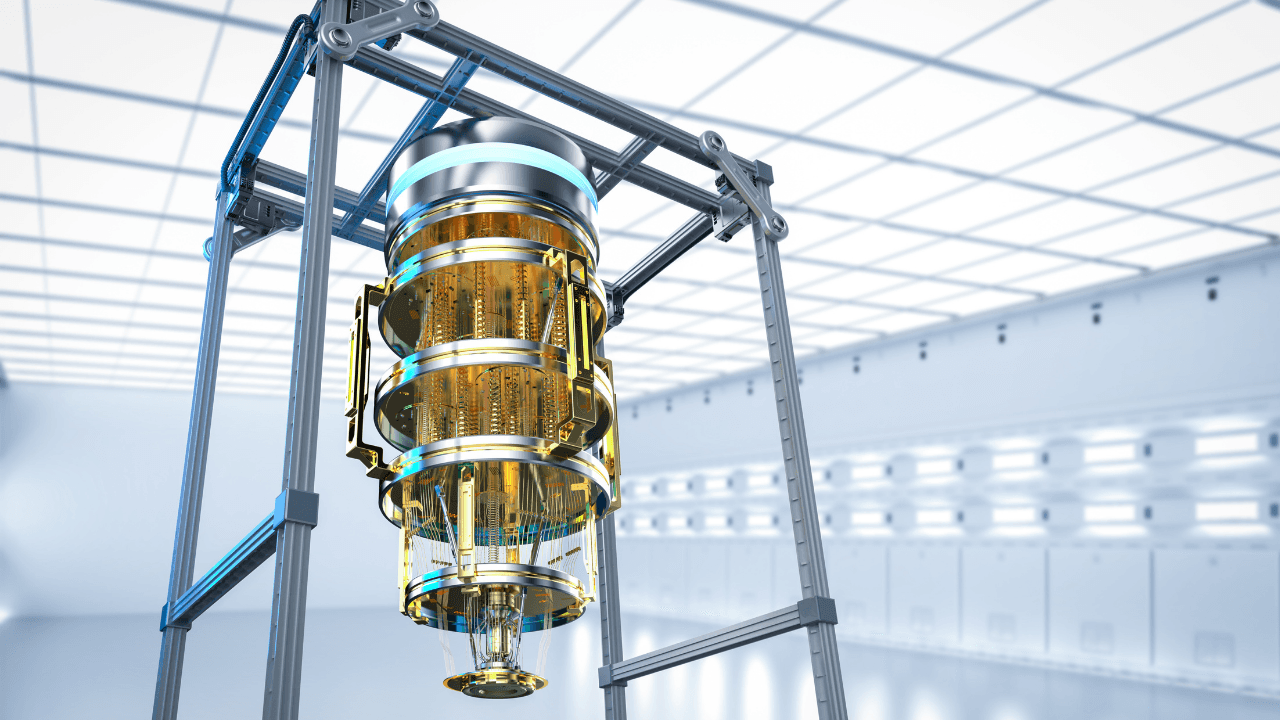
Recently, the state formally integrated the Global Quantum Bio Foundry into its Amaravati Quantum Valley initiative. This move quietly but firmly expands India’s biotech vision beyond wet labs into areas like quantum computing, advanced simulations, and next generation healthcare technologies.
What Is Happening in Amaravati, Simply Explained
Andhra Pradesh is building a convergence hub where quantum computing and life sciences work together.
Here’s what that really means for biotech:
Quantum computing will be used to solve complex biological problems
Drug discovery for difficult diseases can happen faster and more accurately
Enzyme engineering and molecular simulations can move beyond traditional computing limits
Advanced medical devices and diagnostics can be designed with higher precision
Amaravati is being positioned not just as a tech park, but as a research ecosystem where biology, computation, and engineering intersect.
Why This Changes the Biotech Job Market in India
This development sends a clear message to learners.
Biotech is no longer limited to wet lab experimentation alone. The industry increasingly needs people who can:
Work with biological data at scale
Understand simulations, modeling, and computational biology
Collaborate with AI, quantum, and advanced computing teams
Translate biological questions into computational problems
As initiatives like this grow, biotech job roles will expand into areas such as computational drug discovery, bioinformatics engineering, digital biology, and AI driven healthcare research.
A Strong Focus on Workforce Development
What makes this initiative stand out is the focus on people, not just machines.
Andhra Pradesh has already:
Trained more than 1 lakh students in quantum technologies
Engaged 20,000+ students from 137 colleges through hackathons
Upskilled over 1,000 faculty members
This scale of training shows where future biotech and life science jobs are headed.
Biotech Is No Longer Just About Wet Lab Skills
For students, this is a critical moment to rethink career preparation.
Wet lab skills still matter, but they are no longer enough on their own. The fastest growing opportunities in biotech now sit at the intersection of:
Biology and data
Life sciences and AI
Experimental science and advanced computing
The next generation of biotech professionals will be those who can move comfortably between lab knowledge and computational thinking.
What Learners Should Take Away from This
If you are a student or early career professional in life sciences, this shift matters to you directly.
The biotech job market in India is expanding into high tech roles
Future biotech job roles will reward computational, analytical, and cross disciplinary skills
Learning beyond traditional lab techniques is no longer optional
India is building ecosystems where biology meets frontier technologies
The integration of the Quantum Bio Foundry into Amaravati Quantum Valley is not just a policy update. It is a signal. Biotech in India is stepping into a deeper, more technology driven future, and learners who adapt early will shape what comes next.