Mar 7, 2026
|
5
min read
Introduction
Biology today is not the same field it was ten years ago. The discipline has moved beyond traditional laboratory experiments into data-driven research, computational analysis, advanced therapeutics, and precision medicine. Technology is now deeply integrated with life sciences.
While the field is evolving rapidly, an important question remains: are students evolving at the same pace?
Understanding this gap is critical for anyone planning a long-term career in biotechnology or life sciences, especially for students exploring bioinformatics careers and other technology-driven roles within modern biology.
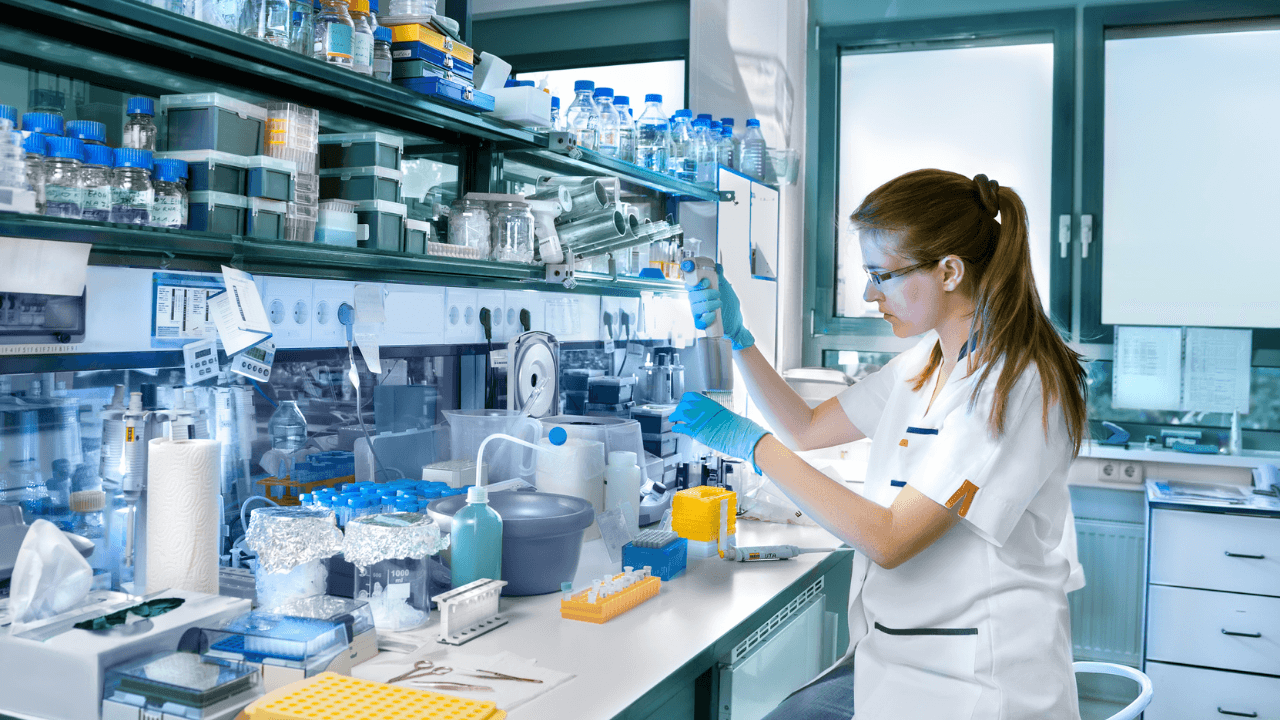
Biology Is No Longer Limited to the Wet Lab
Modern biology operates at the intersection of science and technology. Genomics, transcriptomics, proteomics, artificial intelligence in drug discovery, and personalized medicine are reshaping the industry.
Biopharmaceutical research, vaccine platforms, and cell-based therapies are expanding globally. Automation, high-throughput sequencing, and digital documentation systems are now standard in many laboratories and production units.
In short, biology has become more technical, data-heavy, and interdisciplinary.
Students who still view biology only as microscope work and manual lab experiments may not fully understand how much the field has transformed. Many emerging bioinformatics opportunities now combine biological knowledge with computational analysis and data interpretation.
The Curriculum Is Often Slower Than the Industry
Many universities continue to focus heavily on theoretical foundations. While core concepts in molecular biology, microbiology, and genetics are essential, the industry now demands additional capabilities.
Employers expect familiarity with:
● Digital laboratory workflows
● Data analysis tools
● Regulatory documentation systems
● Quality standards and compliance frameworks
● Basic programming in certain roles
The challenge is not that students lack intelligence. The challenge is that academic systems sometimes update more slowly than industry requirements.
This creates a preparedness gap.
The Rise of Data in Biology
One of the biggest shifts in life sciences is the explosion of biological data.
Genome sequencing projects, clinical trial datasets, and high-throughput screening platforms generate massive volumes of information. Handling this data requires computational skills alongside biological understanding.
Roles in bioinformatics, healthcare analytics, and computational biology are expanding because companies need professionals who can interpret biological data meaningfully. These growing areas are opening many new bioinformatics opportunities for life science graduates.
Students who add programming knowledge such as Python or R, understand biological databases, and practice data interpretation significantly improve their adaptability in the current market. Many students now begin this journey through a bioinformatics online program that helps them combine biological knowledge with computational skills.
Biology is no longer just about experiments. It is about analysis, interpretation, and decision-making based on data.
Industry Now Values Skill Depth Over Degree Titles
In earlier years, completing a postgraduate degree was often sufficient to enter research or industry roles. Today, employers look beyond degree names.
Recruiters evaluate:
● Practical exposure
● Internship experience
● Project relevance
● Technical tool familiarity
● Problem-solving ability
Two students with the same degree can have very different career outcomes depending on how they prepared during their academic years. Students who actively build practical skills often find stronger entry points into modern bioinformatics careers and other interdisciplinary life science roles.
The focus has shifted from “What did you study?” to “What can you apply for?”
Why Some Students Fall Behind
Despite the rapid evolution of biology, not all students adjust their preparation strategy.
Common reasons include:
● Relying only on classroom curriculum
● Avoiding technical skills due to fear of coding or tools
● Delaying internships or industry exposure
● Preparing for jobs only in the final semester
● Lack of career clarity
When the field changes but preparation methods remain old, employability becomes difficult.
Adaptation is not optional anymore. It is necessary.
How Bversity Helps Students Adapt to the Changing Biology Industry
Bversity PG Diploma in Bioinformatics, Genomics and Data Science focuses on helping life science students bridge the gap between academic knowledge and real industry expectations. The program is designed to help students understand how biological data is analyzed, how computational tools are used in research, and how modern biotechnology workflows operate in real-world environments.
Industry-Relevant Skills – Bversity’s bioinformatics online program teaches skills required in modern biotechnology and healthcare industries.
Biological Data Analysis – Students learn to work with biological datasets, genomics workflows, and basic programming used in bioinformatics.
Computational Tools – The program focuses on interpreting biological data using commonly used bioinformatics tools.
Four-Month Inbuilt Internship – Learners complete a four-month internship with top bioinformatics companies in India.
Real-World Experience – Students work on real datasets and industry-style projects to understand professional bioinformatics workflows.
Conclusion
Biology is changing rapidly. It has become more interdisciplinary, more digital, and more skill-driven than ever before. The industry now expects professionals who combine scientific understanding with technical competence and practical awareness.
Students who evolve with these changes position themselves for stronger career opportunities, especially in growing fields such as bioinformatics careers and computational biology. The increasing number of bioinformatics opportunities shows how quickly the field is expanding.
The question is not whether biology is changing, it clearly is. The real question is whether students are actively preparing themselves to match that change.
Careers in life sciences remain promising. But success now depends on adaptability, skill development, and proactive planning.