Decoding the Genetic Blueprint of Cancer: Understanding the Basics of Oncogenetics
Cancer is a complex and multifaceted group of diseases characterized by uncontrolled cell growth and division. Genetics plays a fundamental role in the development of cancer. While external factors like smoking, diet, and exposure to carcinogens contribute to cancer risk, inherited genetic mutations also significantly impact an individual's susceptibility to the disease. Understanding the basics of cancer genetics is crucial for both prevention and treatment.
Genetic Mutations and Cancer
Cancer is often initiated by genetic mutations that alter the normal functioning of genes. These mutations can occur spontaneously or be inherited from parents. The most common type of genetic mutation in cancer is a somatic mutation, which happens in a specific cell and is not passed on to offspring. Somatic mutations accumulate over a person's lifetime and can lead to the development of tumors. They can result from exposure to environmental factors such as radiation, chemicals, or viruses. Somatic mutations can disrupt the normal regulation of cell division, leading to uncontrolled growth and the formation of a tumor.
Germline mutations, on the other hand, are inherited mutations that can increase an individual's susceptibility to cancer. These mutations are present in all cells of the body and can predispose individuals to certain types of cancer. For example, mutations in the BRCA1 and BRCA2 genes are associated with an elevated risk of breast and ovarian cancer.
Oncogenes and Tumor Suppressor Genes
Two types of genes play a critical role in cancer genetics: oncogenes and tumor suppressor genes.
Oncogenes are genes that promote cell division and inhibit apoptosis (programmed cell death). When these genes are mutated and become overactive, they can cause uncontrolled cell growth, contributing to the development of cancer.
Tumor suppressor genes, on the other hand, function to prevent the formation of tumors. They regulate cell division and repair DNA damage. Mutations that inactivate or disrupt the function of tumor suppressor genes can lead to uncontrolled cell growth and the formation of tumors.
https://cisncancer.org/research/images/nci_s51_genomics-rew.jpg
Hereditary Cancer Syndromes
There are several well-documented hereditary cancer syndromes associated with specific genetic mutations. Some of the most notable include:
a. Hereditary Breast and Ovarian Cancer (HBOC) Syndrome: Mutations in the BRCA1 and BRCA2 genes are associated with an increased risk of breast and ovarian cancer. These mutations follow an autosomal dominant pattern of inheritance.
b. Lynch Syndrome: Also known as Hereditary Non-Polyposis Colorectal Cancer (HNPCC), this syndrome is linked to mutations in genes involved in DNA repair. It increases the risk of colorectal and other cancers.
c. Li-Fraumeni Syndrome: This rare syndrome is characterized by mutations in the TP53 gene, which encodes a critical tumor suppressor protein. It significantly elevates the risk of various cancer types.
d. Familial Adenomatous Polyposis (FAP): FAP is associated with mutations in the APC gene, leading to the development of numerous polyps in the colon and an increased risk of colorectal cancer.
Precision Medicine in Cancer Treatment
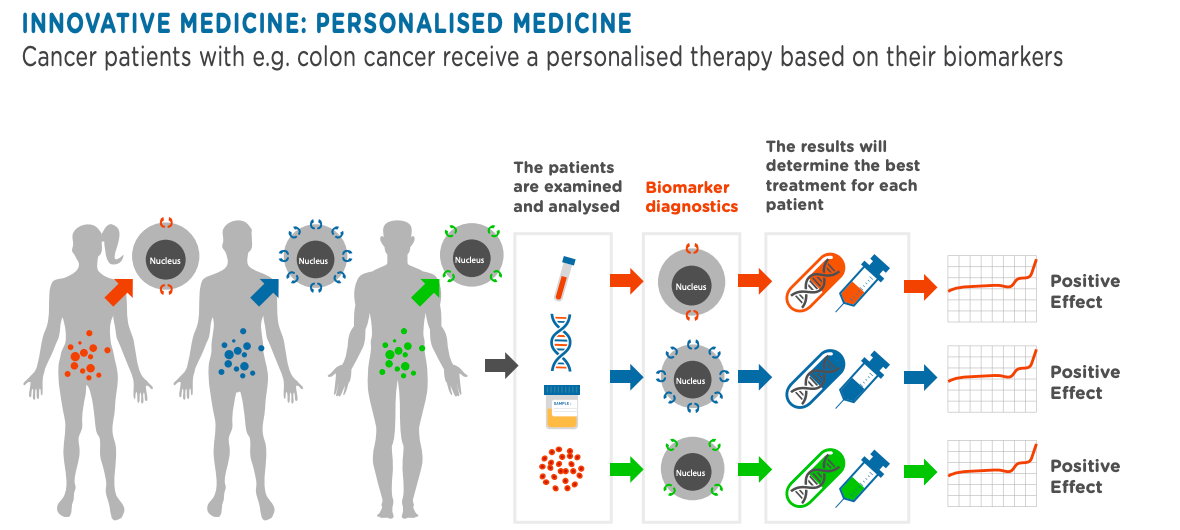
Understanding the genetic mutations driving a patient's cancer is crucial for personalized or precision medicine. By identifying specific mutations, healthcare professionals can tailor treatments to target the underlying genetic abnormalities. This approach can lead to more effective and less toxic cancer therapies.
https://www.efpia.eu/media/602901/screenshot-2021-08-03-at-170328.png
Conclusion
Cancer genetics is a vast and evolving field that has greatly expanded our understanding of the causes and mechanisms of cancer. Genetic mutations, both inherited and acquired, play a pivotal role in the initiation and progression of cancer. Knowledge of genetic inheritance patterns and the identification of hereditary cancer syndromes are essential for assessing an individual's cancer risk. Advances in genetic testing and precision medicine have revolutionized cancer treatment and management, offering new hope for patients and their families.
 A story of Glucose, Insulin and Cancer Cell Growth
 Basics of Behavioural Genetics
 Benign vs. Malignant Tumors: Understanding the Critical Distinction