The curriculum
We teach six subjects in the order a bioinformatics team uses them, starting with biological data and ending with AI and ML. Each one ends with work on real patient genomic data.
Postgraduate programme · Bversity School of Bioscience
Our PGP in Bioinformatics, Genomics & Data Science is taught live at the weekend, and every class is recorded, so you can study alongside a degree or a job. When you finish, we help you find a role, and we keep supporting your job search until you’re placed.
What you’ll learn

Why Bversity
All of this is included in the fee.
We teach six subjects in the order a bioinformatics team uses them, starting with biological data and ending with AI and ML. Each one ends with work on real patient genomic data.
Classes run live at the weekend and every session is recorded, so you can catch up on weekday evenings. Most learners spend 8 to 10 hours a week.
You finish with four portfolio projects and a capstone. Mentors review them the way a team lead would, and they become what you talk about in interviews.
We review your CV and portfolio, run mock interviews and put you forward for roles. If you attend the classes, finish your projects and apply to the roles we share, we keep supporting you until you’re placed.
Our learners work at

















Not sure yet? The brochure has the full curriculum, the fee and where our learners work.
Download brochureWho it’s for
The programme is the same for everyone. What changes is where you start and the roles you aim for.
For B.Sc graduates
You don’t need another two-year degree to work in bioinformatics.
What you’ll come away with
Roles you can apply for
Bioinformatics analyst, genomics data analyst
For M.Sc and B.Tech graduates
You already know the biology. Add the data skills analyst teams hire for.
What you’ll come away with
Roles you can apply for
Bioinformatics analyst, genome analyst (NGS), genomics data analyst
For working professionals
Keep your job, learn at the weekend, and move into a computational role.
What you’ll come away with
Roles you can apply for
Bioinformatics analyst, genomics data analyst, AI/ML bioengineer
Curriculum
Six subjects taught in order, then a capstone project. Each subject ends with hands-on work on real data.
Biological data, databases, Python and R.
Tools you’ll use


Sequencing, RNA-Seq, variants and pipelines.
Tools you’ll use


Inference, regression, survival and multivariate methods.
Tools you’ll use

Pathways, Cytoscape and disease networks.
Tools you’ll use

Transcriptomics, proteomics, metabolomics, biomarkers.
Tools you’ll use
ML foundations, deep learning and deployment.
Tools you’ll use


One end-to-end project, CV and portfolio review, mock interviews.
Tools you’ll use
The brochure has the full curriculum, topic by topic. Get the brochure
Learners
A few of the learners who have moved into bioinformatics roles, in their own words.
“I knew the biology, but not what to do with a raw dataset. The projects taught me that, and they were what my interviewers asked about.”

Dristi Mohta
Bioinformatician, Thinkhat

Ananaya Jain
Bioinformatician, Mandrake Bio

Risha Reddy
How she found her career direction
“Moving from the lab to code felt like starting over. It wasn’t: my lab years helped me read the data, and the programme gave me the tools.”

Arpita Ganguly
Bioinformatics Engineer, Semantic Web Tech
“After my degree I didn’t know where to start. Now I do the same work I practised in the programme.”

Laxmi Manojkumar
Bioinformatician Trainee, Boltzmann

Kayalvizhi
Bioinformatician, CRISPR Bits

Mentors
They work as bioinformaticians and data scientists, and they review your projects during the programme.






How it works
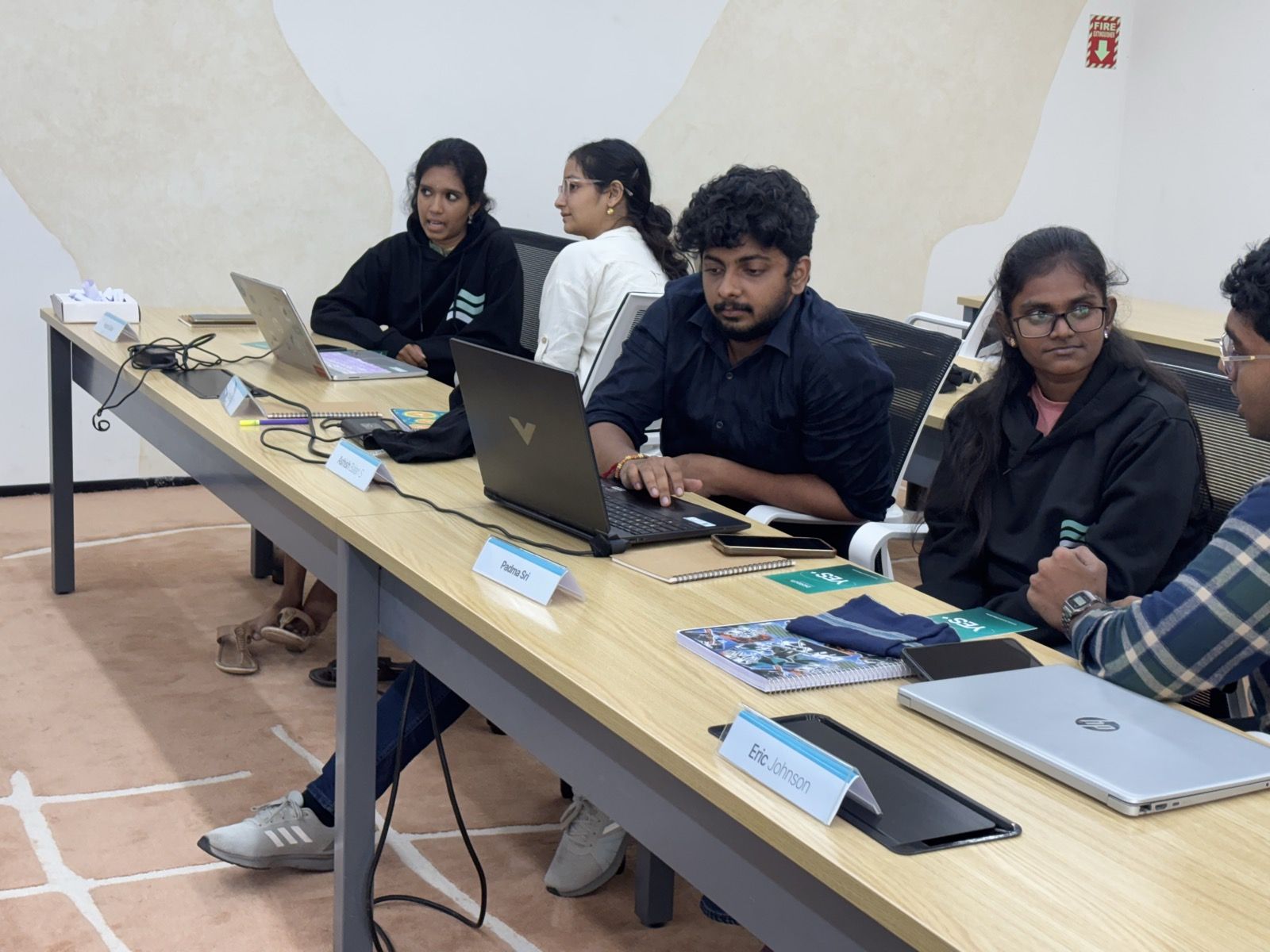
The programme is designed so you can do it alongside a job.
01
Six subjects in order, each ending with hands-on work on real patient genomic data. Classes are live at the weekend, and recordings let you catch up through the week.
02
Your mentors are bioinformaticians and data scientists. They review your work and help when you’re stuck.
03
You build four portfolio projects and finish with a capstone, each reviewed the way a team lead would review your work.
04
We review your CV and portfolio, run mock interviews and put you forward for roles until you’re placed.
05
Every Saturday we run a free live masterclass on careers in life science, and you can join as many as you like, during the programme and after it.
06
Once your application is accepted, you pay the fee or set up EMI and start with the next batch.
Outcomes
Figures from learners who have completed the PGP.
Fee
Blog
Articles on bioinformatics careers and skills.