Epigenetic Modifications in Cancer Cells

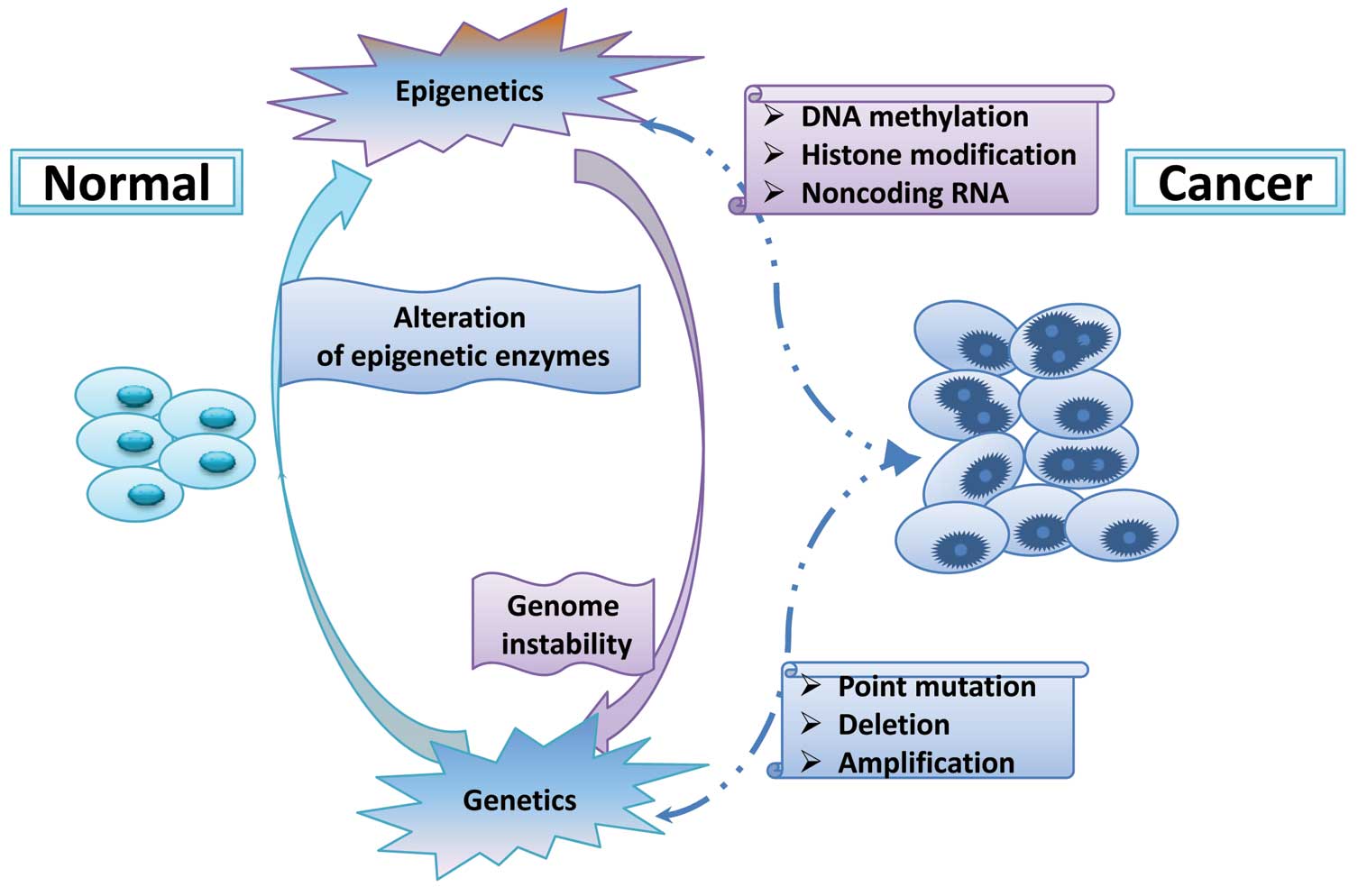
Cancer is a complex and multifaceted group of diseases. While genetic mutations have traditionally been the focus of cancer research, epigenetic modifications have emerged as crucial players in the development and progression of cancer. Epigenetics refers to heritable changes in gene expression and function that do not involve alterations to the underlying DNA sequence.
Understanding Epigenetic Modifications
Epigenetic modifications are reversible changes to the structure and chemical marks on DNA and associated proteins, known as histones, which regulate gene expression. These modifications can be influenced by a range of environmental factors and play a critical role in normal cellular processes like development and differentiation. However, when they go awry, they can contribute to cancer development.
DNA Methylation
One of the most well-known epigenetic modifications in cancer is DNA methylation. It involves the addition of a methyl group to the cytosine base in a DNA molecule, typically within regions called CpG islands. Hypermethylation of promoter regions can silence tumor suppressor genes, while hypomethylation in other areas can activate oncogenes, both of which promote cancer development.
Histone Modifications
Histones are proteins around which DNA is wrapped, and chemical marks on histones can influence gene expression. These modifications include acetylation, methylation, phosphorylation, and more. For instance, histone acetylation generally promotes gene activation, while histone methylation can either activate or repress genes depending on the specific modifications.
Epigenetic Modifications and Cancer
1. Silencing of Tumor Suppressor Genes: DNA methylation can lead to the silencing of tumor suppressor genes, which are involved in preventing uncontrolled cell growth. Hypermethylation of these genes can result in their inactivation, promoting the development of cancer.
2. Activation of Oncogenes: Conversely, hypomethylation can activate oncogenes, which are involved in promoting cell growth and division. This activation can also contribute to cancer development.
3. Chromatin Remodeling: Aberrant histone modifications and chromatin remodeling can create an environment that favors uncontrolled cell growth. This can result in the transcription of genes that are typically silenced and the silencing of genes that should be active, both of which are characteristic of cancer cells.
4. Cancer Heterogeneity: Epigenetic modifications contribute to cancer heterogeneity, where different cells within a tumor can have distinct epigenetic profiles. This can lead to variations in drug responses and the emergence of drug-resistant subpopulations.
https://www.spandidos-publications.com/article_images/or/31/2/OR-31-02-0523-g02.jpg
Epigenetic Therapies in Cancer
Understanding the role of epigenetic modifications in cancer has led to the development of epigenetic therapies, which aim to reverse or modulate these modifications to treat cancer.
1. DNA Methyltransferase Inhibitors: Drugs like 5-azacitidine and decitabine inhibit DNA methyltransferases, enzymes responsible for adding methyl groups to DNA. These drugs are used to reactivate silenced tumor suppressor genes.
2. Histone Deacetylase Inhibitors: Histone deacetylase inhibitors, such as vorinostat and romidepsin, work by increasing histone acetylation, leading to gene activation. These drugs have been approved for the treatment of certain lymphomas and could have broader applications in the future.
Conclusion
Epigenetic modifications in cancer cells have brought a new dimension to our understanding of cancer development and progression. They highlight the reversible nature of some cancer-associated changes and provide promising avenues for treatment. The development of epigenetic therapies is a testament to the progress made in the field, offering new hope for patients with various types of cancer.
MD: Explore the role of epigenetic modifications in cancer development and progression. Understand how these alterations impact gene expression and potential therapeutic interventions.
 A story of Glucose, Insulin and Cancer Cell Growth
 Basics of Behavioural Genetics
 Benign vs. Malignant Tumors: Understanding the Critical Distinction