May 23, 2026
|
5
min read
The Reality of Biotechnology Careers Has Changed
A lot of students still enter an MSc Biotechnology program with a very traditional expectation of what biotechnology education looks like. They imagine lectures, lab sessions, assignments, exams, and eventually a degree that will help them enter the biotech industry.
But the industry itself has changed far beyond that structure.
Today, biotechnology companies are working across areas like genomics, AI-driven healthcare, bioinformatics, clinical research, computational biology, and data-intensive life science applications. The pace of change is much faster, the expectations from graduates are higher, and the type of work happening inside companies looks very different from what many students experience in conventional classrooms.
This is where many learners begin feeling uncertain. They often ask themselves whether their education is actually helping them prepare for modern biotechnology careers or simply helping them complete a degree.
At Bversity, this was one of the first questions we wanted to solve while building Bversity’s Industry Immersive MSc in Biotechnology.
Why Modern MSc Biotechnology Education Needs a Different Approach
One of the biggest problems with many traditional MSc Biotechnology programs is that students spend most of their time learning concepts without fully understanding where those concepts are used in real industry environments.
A student may know the theory behind molecular biology, genetics, or biotechnology workflows, but still feel completely unsure about how projects are executed inside biotech companies. They may not know how teams collaborate, how data is handled, how real-world biotech problems are approached, or what employers actually expect during hiring.
That disconnect becomes visible during internships, interviews, or the first industry role after graduation.
We believe biotechnology education should not work that way anymore.
Instead of separating learning and industry exposure, we believe both should happen together throughout the student journey.
How We Designed an Industry-Focused MSc Biotechnology Experience
At Bversity, we did not want students to feel like they were studying in isolation from the biotech industry. We wanted the learning experience itself to feel closer to the professional world students are preparing to enter.
That is why our MSc Biotechnology program focuses heavily on industry integration from the beginning. Students are gradually introduced to practical applications, real-world problem solving, collaborative work environments, mentorship, and industry-oriented projects throughout the program.
The idea is simple.
When students continuously experience how biotechnology is applied in realistic settings, they build far more confidence compared to learning theory alone.
That confidence becomes extremely important while preparing for biotechnology careers.
Why Industry Exposure Helps Students Build Career Clarity
One thing we have noticed is that many students pursuing a Masters in Biotechnology are not always sure about what kind of career path they want to enter.
Some are interested in research. Some are curious about bioinformatics. Others explore genomics, clinical data science, AI in life sciences, or biotech operations. But without industry exposure, many students struggle to understand what these domains actually look like in practice.
This is where industry-focused learning creates a major difference.
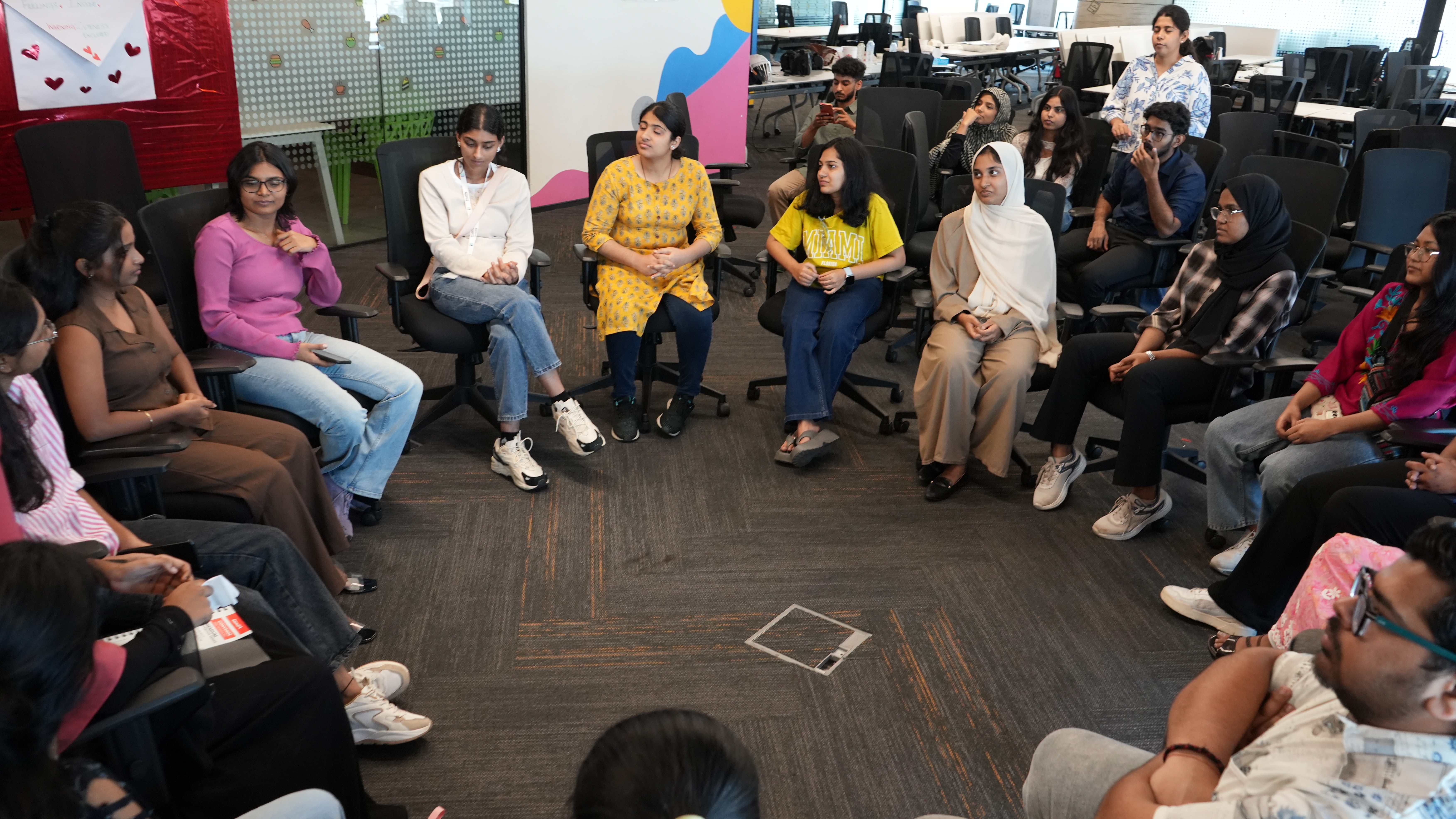
When students interact with professionals, work on projects, and experience real workflows, they begin developing career clarity much earlier. They understand how different biotech domains function and what kind of work excites them the most.
That clarity helps students make much better career decisions over time.
The Importance of Learning Through Application in Biotechnology
The biotechnology industry today values practical understanding more than ever before.
Companies increasingly look for graduates who can apply concepts instead of only memorising them. They want people who can contribute to projects, think critically, adapt to changing environments, and solve real problems.
This is why we focus strongly on applied learning throughout our MSc Biotechnology journey.
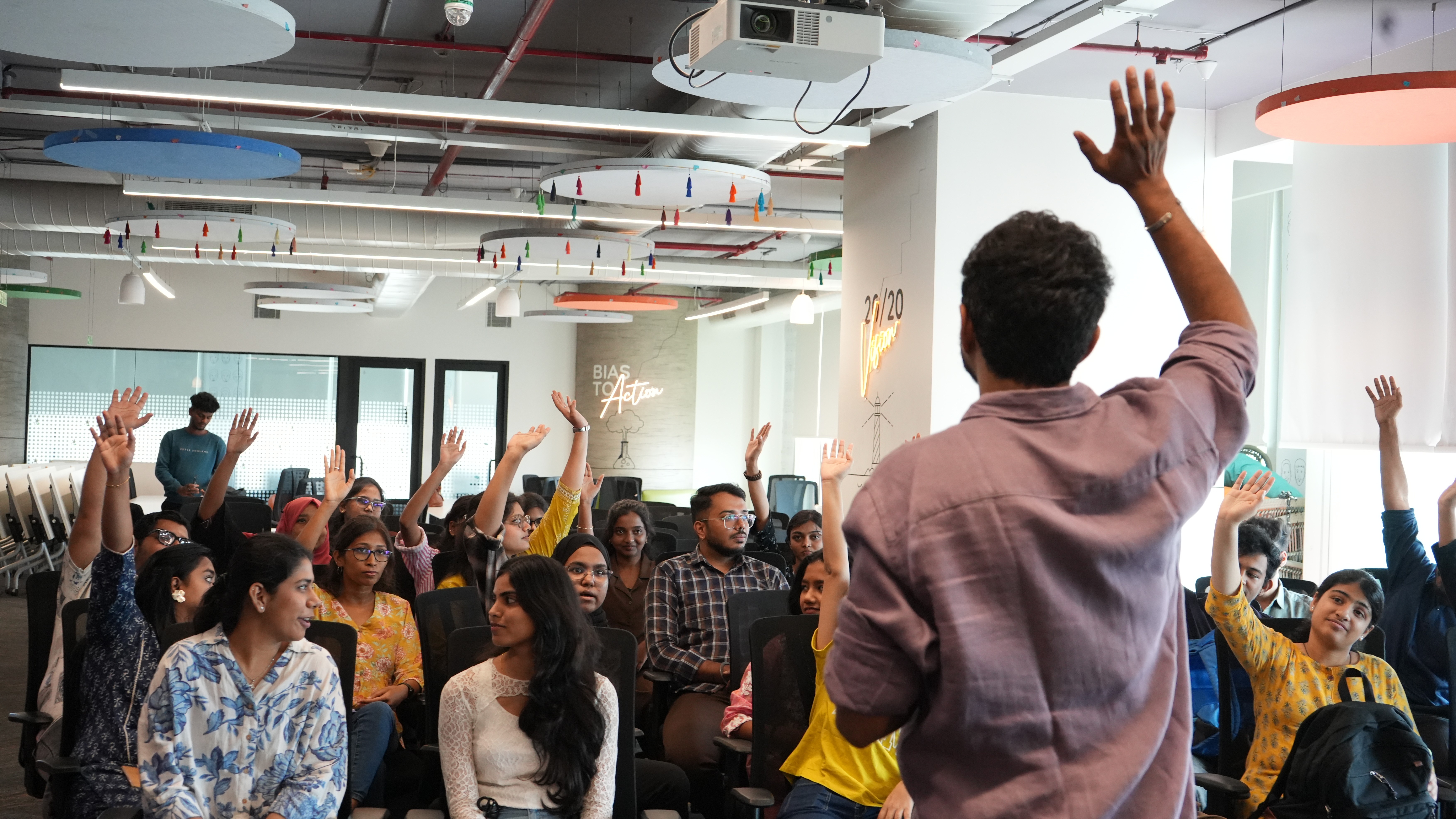
Students are encouraged to work on assignments, projects, datasets, and practical workflows that feel connected to real biotechnology environments. Instead of treating industry exposure as something that happens only at the end of the degree, we integrate it continuously into the learning process.
This helps students move beyond passive learning and become more active problem solvers.
Why Mentorship Matters in Biotechnology Career Development
Another important part of industry-focused education is mentorship.
Many students complete traditional degrees without regularly interacting with professionals actively working inside the biotech industry. As a result, they often lack visibility into how companies operate, what hiring managers expect, and what skills become important in long-term biotechnology careers.
At Bversity, we believe mentorship changes the learning experience significantly.
When students regularly interact with industry professionals, they begin understanding the practical side of biotechnology much more clearly. They also gain insights that are difficult to learn only through textbooks or classroom discussions.
This kind of guidance helps students build confidence gradually while also preparing them mentally for real-world industry environments.
How Industry-Focused MSc Biotechnology Improves Career Readiness
Career readiness is not something that suddenly appears after graduation.
It develops slowly through exposure, practice, collaboration, and repeated interaction with real-world challenges.
That is why our approach focuses on helping students gradually transition from academic learning into professional readiness throughout the program itself.
Students do not simply complete theoretical coursework. They also gain:
Practical exposure
Portfolio-building opportunities
Industry-oriented project experience
Professional mentorship
Real-world learning perspectives
By the time students approach graduation, they already have a much stronger understanding of the biotechnology industry and how they can contribute to it.
That makes the transition into biotechnology careers much smoother and more realistic.
Why the Future of Biotechnology Education Is Becoming More Industry Driven
The biotechnology industry is evolving rapidly, and education models are slowly adapting alongside it.
Students today are becoming more aware that a degree alone is often not enough. They are looking for programs that help them build confidence, practical understanding, and industry familiarity before entering the workforce.
That is exactly why industry-focused education is becoming increasingly important for modern biotechnology careers.
At Bversity, we believe the future of MSc Biotechnology education will increasingly revolve around:
Industry integration
Applied learning
Practical exposure
Interdisciplinary thinking
Real-world project experience
Career-oriented mentorship
Because biotechnology itself is no longer confined to traditional academic boundaries.
Building Biotechnology Careers Beyond the Classroom
At the end of the day, students do not pursue a Masters in Biotechnology only to earn a degree. They pursue it because they want meaningful career opportunities, stronger confidence, and long-term growth within the biotech industry.
That is why we built Bversity’s Industry Immersive MSc in Biotechnology around the idea that education should feel connected to real careers from the beginning.
We want students to graduate not only with academic knowledge, but also with the practical understanding and industry readiness needed for modern biotechnology careers.