Apr 27, 2026
|
5
min read
Introduction: “The Change Is Happening… Even If You Don’t Notice It Yet”
If you look at biology today, it may seem like nothing has changed. You’re still studying the same subjects, attending the same classes, and preparing for similar exams.
But behind the scenes, something big is shifting.
Data is slowly becoming a core part of biology, and it’s changing what careers look like. That’s why more students are exploring bioinformatics careers, noticing new bioinformatic opportunities, and considering a bioinformatics online program to stay relevant.
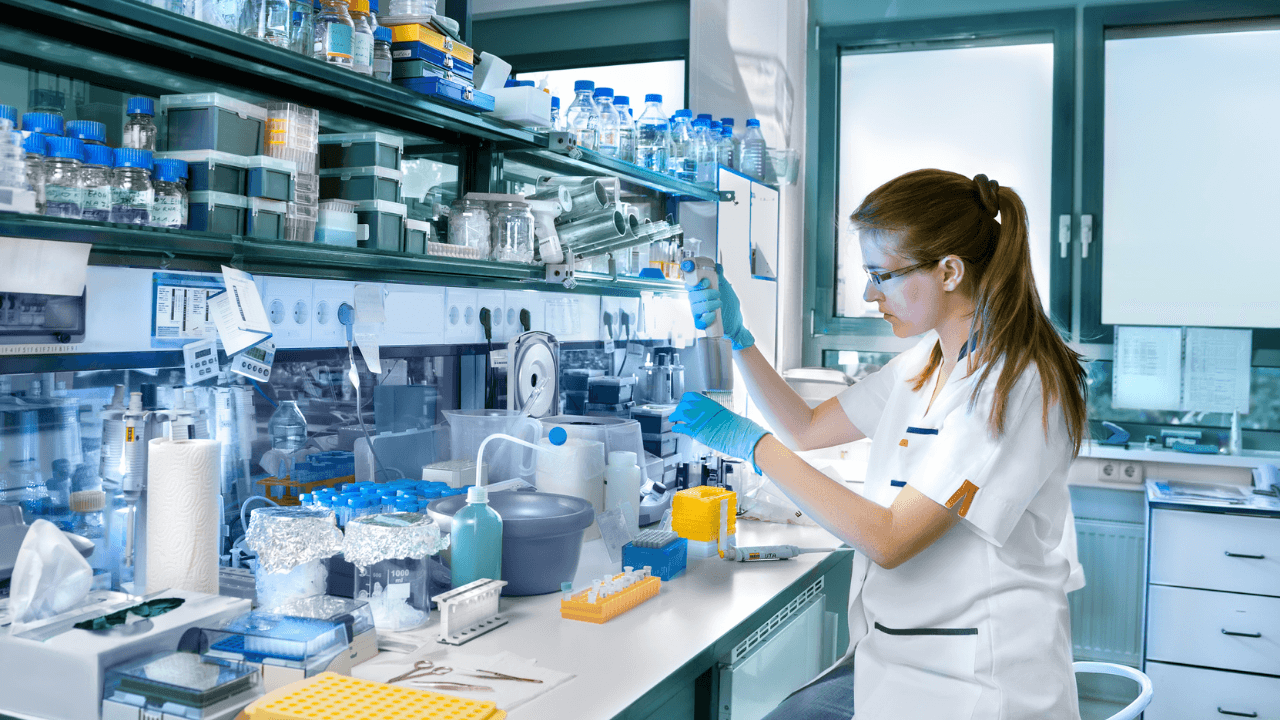
From Lab Work to Data-Driven Work
Biology is no longer limited to experiments in a lab.
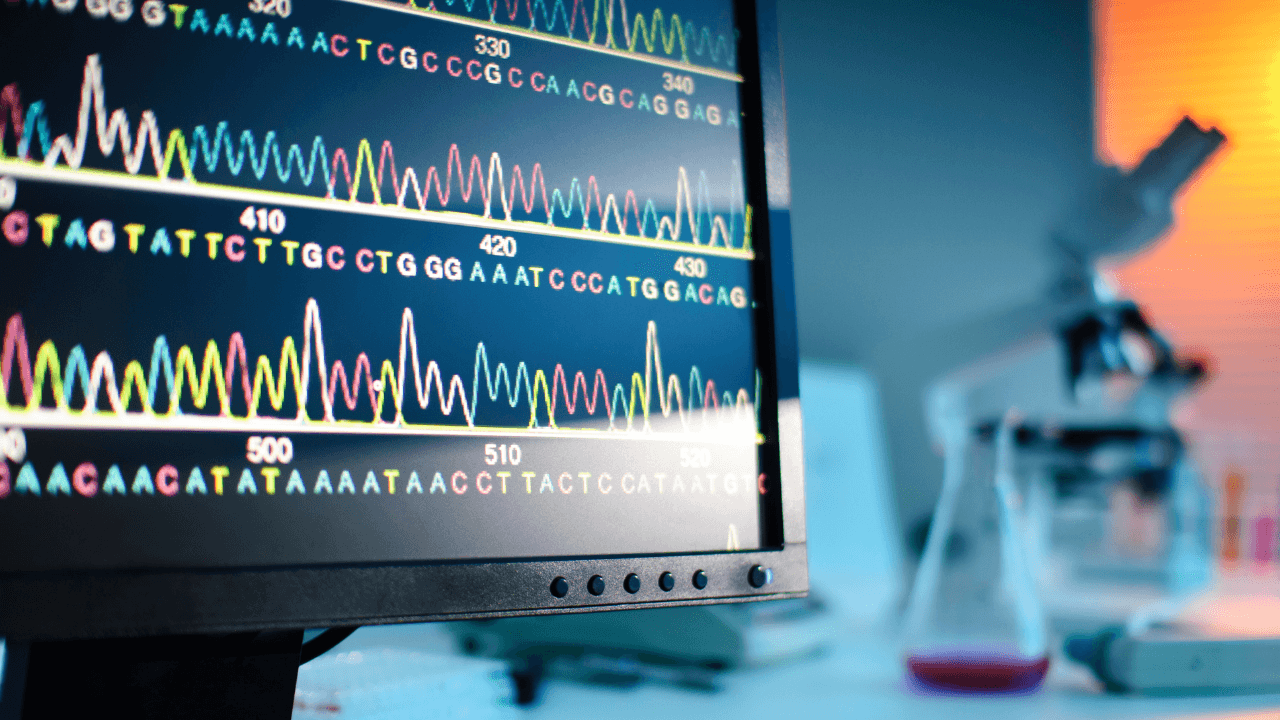
Today, a lot of work happens on computers, analyzing genomic data, studying disease patterns, and predicting outcomes using datasets.
This doesn’t mean lab work is disappearing. It means it’s evolving.
Now, roles often require you to:
Work with large biological datasets
Use computational tools to analyze results
Combine lab knowledge with data interpretation
This shift is creating new career paths that didn’t exist a few years ago.
Why Data Skills Are Becoming So Important
The amount of biological data being generated today is massive. From sequencing genomes to tracking patient data, the volume is growing every day.
But data alone isn’t useful unless someone can analyze and interpret it.
That’s where data skills come in.
Companies are now looking for people who can:
Understand biological problems
Work with data using tools or programming
Draw meaningful insights from analysis
This is exactly why bioinformatics careers are gaining attention, they sit right at this intersection of biology and data.
What This Means for Students Right Now
Here’s the important part, this shift is already affecting students.
If you’re only focusing on theory, you might find it harder to fit into these new roles.
To stay aligned with where the field is going, you need to:
Start understanding how biological data is used
Learn basic programming or data handling
Get familiar with tools used in analysis
Practice applying concepts, not just memorizing them
These small steps can help you move toward real bioinformatic opportunities instead of feeling stuck after graduation.
How Bversity Helps You Adapt to This Shift
Adapting to this change can feel confusing when you don’t know where to start. That’s where a structured bioinformatics online program like Bversity helps.
Bversity’s industry PG program in Bioinformatics, Genomics and Data science is designed to help students understand how data fits into biology in a practical way. Instead of learning topics separately, you learn how they connect in real-world scenarios.
Here’s how it supports you:
You work with real biological datasets to understand how data is actually used
You build programming basics to handle and analyze information
You learn complete workflows from raw data to insights
You get exposure to industry tools used in real projects
You develop a portfolio that shows your practical skills
This kind of approach helps you move with the industry shift instead of trying to catch up later.
Conclusion: The Future of Biology Is Data-Connected
The transformation in biology careers isn’t loud, but it’s definitely happening.
And the students who recognize it early will have an advantage.
By building the right skills and exploring bioinformatics careers through a practical bioinformatics online program, you can position yourself for the growing number of bioinformatic opportunities.
Because in the future, biology won’t just be about understanding life, it will be about understanding data behind it.