The significance of biological sensors in diagnostics and environmental monitoring
Biological sensors, more commonly known as biosensors, are innovative devices meticulously engineered to identify specific molecules or pathogens across diverse environments. In recent years, these sensors have gained immense significance due to their extraordinary versatility and their potential applications in healthcare, environmental monitoring, and beyond.
Unpacking the Essence of Biological Sensors
Biological sensors, at their core, are analytical instruments that harness biological molecules or organisms to discern the presence of particular compounds or pathogens. They function based on the fundamental principle that biological molecules, including enzymes, antibodies, or DNA, engage in unique interactions with their target molecules, resulting in observable changes. These interactions can trigger various physical or chemical responses, which are then converted into measurable signals, providing invaluable insights into the existence and concentration of the target.
Key components of biological sensors
Biological sensors typically consist of several key components. The recognition element is a pivotal component responsible for selectively binding to the target molecule or pathogen. Depending on the application, it can be an enzyme, antibody, DNA strand, or even an entire cell. The transducer plays a crucial role in converting the biological interaction between the recognition element and the target into a quantifiable signal. Common transduction mechanisms include electrochemical, optical, and piezoelectric techniques. The Signal Processing Unit processes the signal generated by the transducer and often offers capabilities for data analysis, display, or communication.
Applications in diagnostics
Biological sensors have led a paradigm shift in the field of diagnostics, offering swift, precise, and often cost-effective solutions for the detection of a wide array of diseases and health-related markers. Biosensors find extensive use in clinical settings to detect biomarkers associated with diseases, such as glucose for diabetes management, cardiac markers for heart conditions, and antigen-antibody interactions for diagnosing infectious diseases (e.g., COVID-19). Portable biosensors enable on-site testing, reducing reliance on centralised laboratory facilities and enabling rapid diagnosis and monitoring, even in remote or resource-scarce areas. Biosensors can identify cancer-specific biomarkers, facilitating early cancer diagnosis and treatment efficacy monitoring. These sensors help monitor drug levels in the bloodstream, ensuring optimal therapy and minimising side effects.
Applications in environmental monitoring
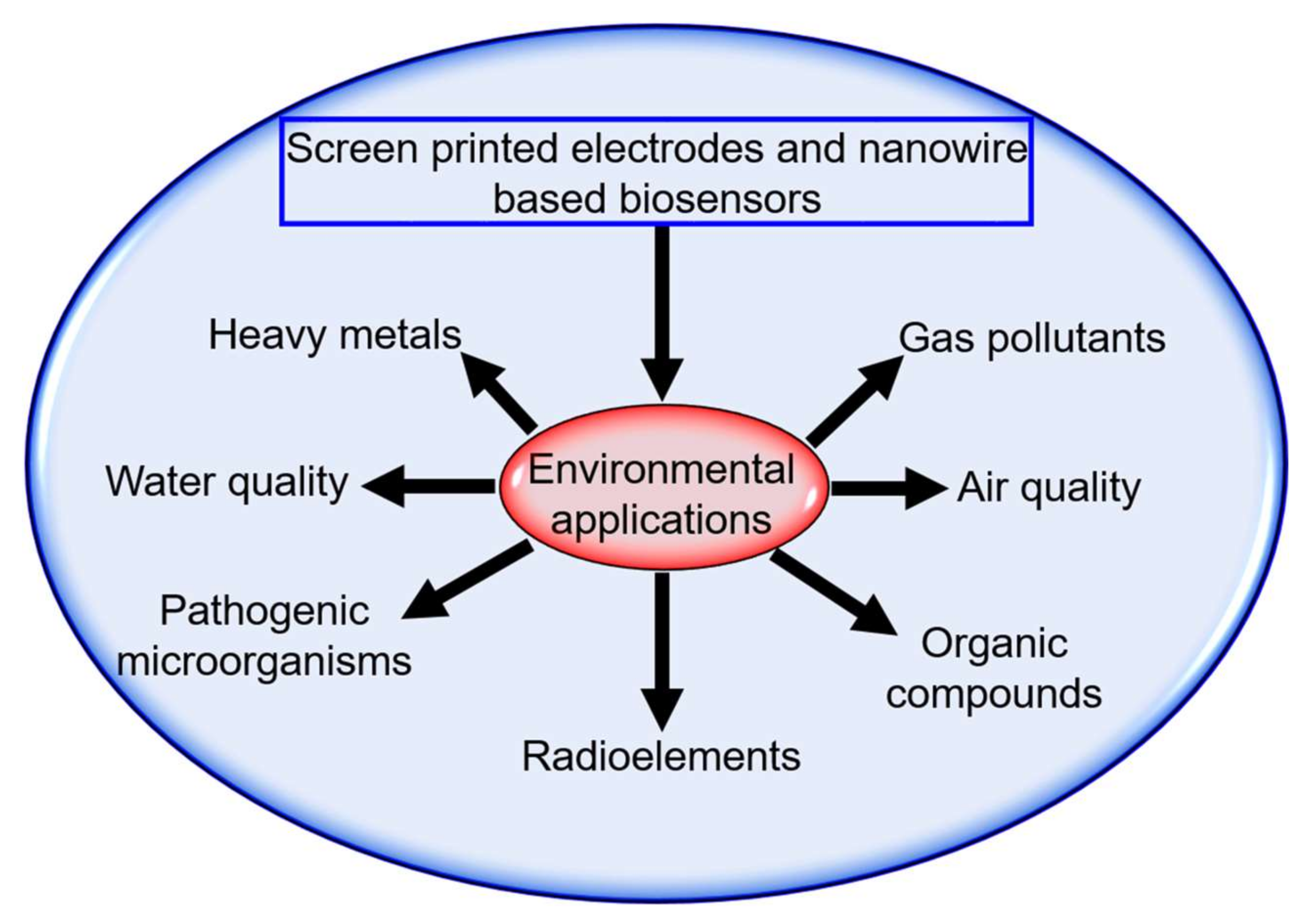
Biosensors gauge exposure to environmental toxins, allergens, or pollutants, contributing to a more comprehensive understanding and management of environmental health risks. In the realm of environmental monitoring, biological sensors play a pivotal role in assessing the quality of air, water, soil, and ecosystems. Biosensors excel at detecting contaminants like heavy metals, pathogens, and organic pollutants in water sources, ensuring safe drinking water and preserving aquatic ecosystems. They measure air pollutants, including volatile organic compounds (VOCs), particulate matter, and gases, aiding in assessing air quality and its impact on human health. Biosensors detect soil pollutants, nutrient levels, and microbial activity, promoting sustainable agriculture and environmental conservation. These sensors monitor the presence of specific species or pathogens in ecosystems, assisting in biodiversity conservation efforts and wildlife disease control. Biosensors contribute to climate change research by measuring greenhouse gas concentrations and assessing their impact on the environment.
Advantages of biological sensors
The significance of biological sensors lies in their numerous advantages. They can be customised to target specific molecules or pathogens, reducing the likelihood of false-positive results. Biosensors can detect low concentrations, making them suitable for scenarios where trace amounts are crucial. Many biosensors provide real-time or rapid results, enabling timely decision-making in diagnostics and environmental monitoring. Miniaturised and portable biosensors are available for use in the field, clinical settings, or remote locations. Biosensors often offer cost-effective solutions compared to traditional laboratory methods. They require smaller sample volumes, a critical consideration when dealing with limited or precious samples.
Challenges and future prospects
While biological sensors hold immense promise, they also face challenges such as ensuring long-term stability, expanding the range of detectable analyses, and improving cost-efficiency. Researchers are actively working on addressing these issues and exploring new applications. Developing biosensors that can simultaneously detect multiple analyses enhances their versatility and efficiency. Incorporating nanomaterials into biosensor design to improve sensitivity and selectivity Establishing networks of biosensors for continuous environmental monitoring allows for comprehensive data collection. Combining biosensors with AI and machine learning algorithms for advanced data analysis and interpretation Leveraging advances in biotechnology, such as synthetic biology, to create novel recognition elements and improve sensor performance
Conclusion
In conclusion, biological sensors play a pivotal role in diagnostics and environmental monitoring. Their ability to discern specific molecules or pathogens with exceptional sensitivity and specificity has transformed healthcare and environmental science. As technology continues to advance, the significance of biological sensors is poised to grow, offering innovative solutions to address complex challenges in medicine and environmental conservation.
MD: Biological sensors play a crucial role in diagnostics and environmental monitoring by detecting and measuring biological signals or substances. This article explores the significance of biological sensors in these fields and their potential applications.
 A story of Glucose, Insulin and Cancer Cell Growth
 Basics of Behavioural Genetics
 Benign vs. Malignant Tumors: Understanding the Critical Distinction