Understanding structural bioinformatics
Structural bioinformatics is a multidisciplinary field that includes biology, computer science, and mathematics. It focuses on deciphering the three-dimensional structures of biomolecules, such as proteins, nucleic acids, and carbohydrates, and understanding their functions, interactions, and implications in various biological processes.
Significance of structural bioinformatics
Structural bioinformatics provides a window into the atomic-level details of biomolecules. It helps researchers understand how their structures relate to their functions and how mutations or modifications can affect their behavior. Structural information is essential for predicting the functions of newly discovered proteins. It enables researchers to infer protein function based on structural similarities to well-characterised proteins. Structural bioinformatics contributes to the understanding of complex biological pathways by revealing the three-dimensional arrangements of proteins and their interactions within these pathways.
Structural bioinformatics aids in the identification and validation of potential drug targets. By analysing the three-dimensional structures of proteins implicated in diseases, researchers can assess their draggability and suitability for intervention. By elucidating the atomic-level interactions between proteins and potential drug candidates, scientists can design molecules with enhanced binding affinities and specificities. This reduces the hit-and-miss nature of traditional drug discovery. High-throughput virtual screening is made possible through structural bioinformatics. Researchers can virtually assess thousands of compounds against a target protein, significantly expediting the early stages of drug discovery. Predicting the absorption, distribution, metabolism, excretion (ADME), and potential toxicity of drug candidates is crucial. Structural bioinformatics tools help assess these factors by modelling molecular interactions within biological systems.
https://cbirt.net/wp-content/uploads/2023/01/protein-structure-and-function-characterization-1.jpg
Methods and tools in structural bioinformatics
- Protein structure determination: Structural bioinformatics complements experimental techniques such as X-ray crystallography, nuclear magnetic resonance (NMR) spectroscopy, and cryo-electron microscopy (cryo-EM). It aids in the interpretation and analysis of experimental data, often enhancing the accuracy of structural models.
- Homology modelling: When experimental structures are unavailable, structural bioinformatics offers homology modelling, a computational technique that predicts protein structures based on their similarity to known structures of homologous proteins. This method has proved invaluable in providing insights into the structure and function of a wide range of proteins.
- Molecular dynamics simulations: Structural bioinformatics enables molecular dynamics simulations, which involve the computational modelling of protein structures and their dynamic behaviour over time. These simulations refine our understanding of protein flexibility and interactions.
- Protein-ligand docking: In drug discovery, structural bioinformatics aids in protein-ligand docking simulations. These simulations predict how small molecules interact with target proteins, offering insights into binding affinities and potential drug candidates.
- Structural databases: Structural bioinformatics maintains extensive structural databases like the Protein Data Bank (PDB). These repositories store and disseminate experimentally determined protein structures, providing a wealth of information for researchers worldwide.
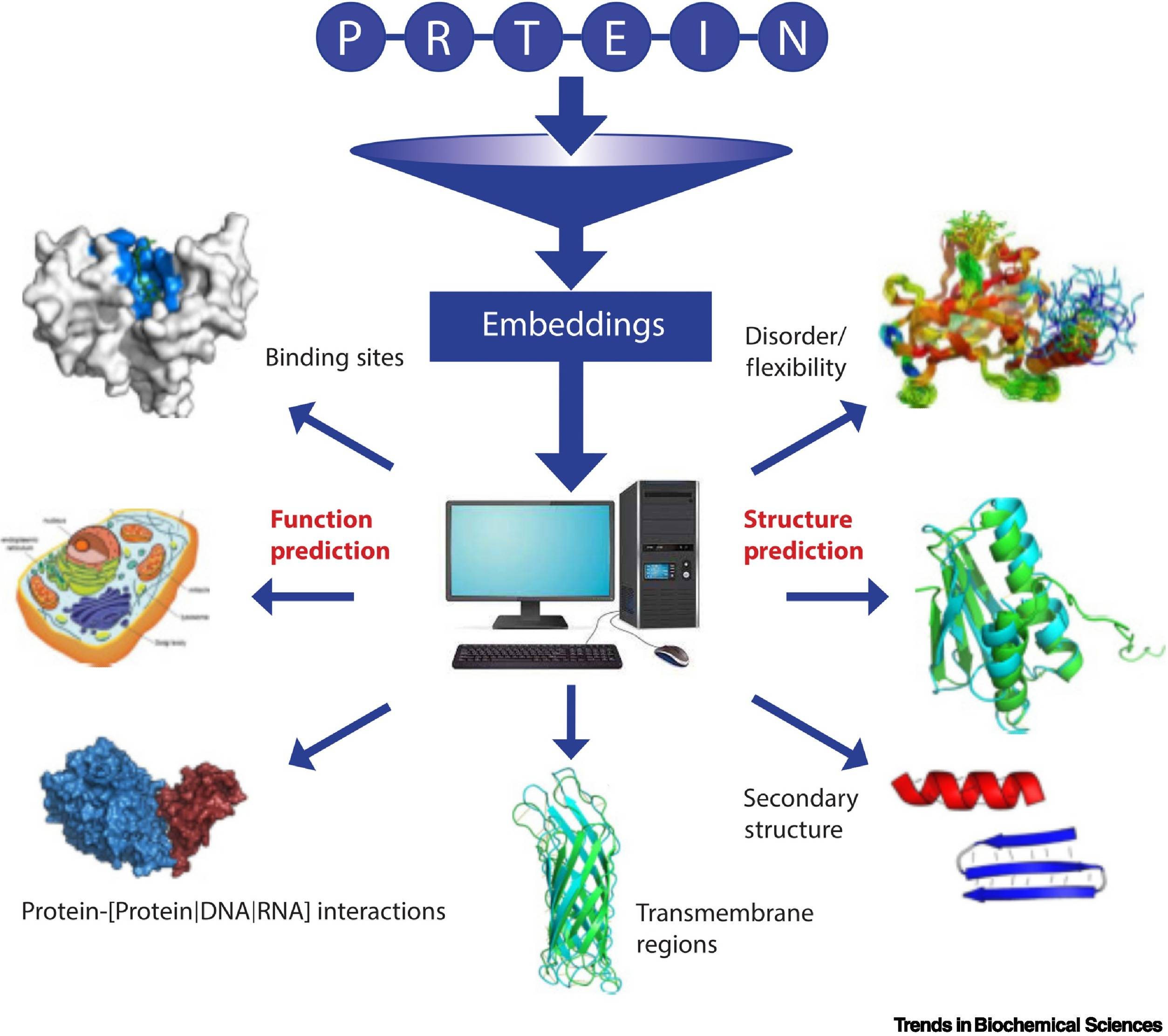
- Advanced algorithms: The field employs advanced algorithms for the prediction of protein secondary structures, solvent accessibility, and other structural features, aiding in structural annotation.
Applications of structural bioinformatics in drug discovery
- Protein function prediction: Structural bioinformatics aids in predicting the functions of proteins, especially when experimental data are limited. By comparing the structural features of unknown proteins to those of well-characterised proteins, researchers can infer potential functions.
- Enzyme engineering: The field contributes to enzyme engineering by providing insights into the catalytic mechanisms of enzymes. Researchers can modify enzyme structures to enhance their catalytic activities or create novel enzymes for industrial applications.
- Structural genomics: Structural bioinformatics plays a crucial role in structural genomics projects that aim to determine the three-dimensional structures of all proteins encoded in a genome. This structural data provides valuable insights into the functions of uncharacterized proteins.
- Vaccine designs: Structural bioinformatics aids in the design of vaccines by identifying antigenic epitopes on pathogenic proteins. This knowledge assists in developing vaccines that can elicit a robust immune response.
- Biological pathways: Understanding the three-dimensional arrangements of biomolecules within cellular pathways is crucial for deciphering complex biological processes. Structural bioinformatics contributes to our understanding of signal transduction, metabolism, and disease mechanisms.
Conclusion
Structural bioinformatics has emerged as an indispensable field in modern biology and drug discovery. It bridges the gap between molecular structure and biological function, providing crucial insights into the inner workings of biomolecules. As technology continues to advance and our understanding of complex biological systems deepens, structural bioinformatics will remain at the forefront of scientific discovery, contributing to breakthroughs in medicine, biotechnology, and our fundamental understanding of life itself.
MD: Structural bioinformatics is an interdisciplinary field that combines biology, computer science, and mathematics to analyze and understand the three-dimensional structures of biological macromolecules. Explore the principles and applications of structural bioinformatics in this article.
 A story of Glucose, Insulin and Cancer Cell Growth
 Basics of Behavioural Genetics
 Benign vs. Malignant Tumors: Understanding the Critical Distinction